I have been reading Japanese for over a decade and I still slow down, just slightly, on シ and ツ. Not because I do not know them. Because they are genuinely close, and the part of your brain that reads fast is pattern-matching, not stroke-counting. The S-row is where this problem is born. Get the rule for it straight now and you save yourself years of small hesitations.
The good news: only two of the five S-row characters are hard. サ and セ are quiet, and ス is a one-trick shape. シ and ソ are the ones that will follow you around, and they follow the exact same rule, so you are really learning one thing twice.
Why this row is the hard one
Katakana has a handful of characters built from two or three short strokes plus one long sweeping stroke: シ, ツ, ソ, ン. On paper they look almost interchangeable. The difference is not in the parts, it is in how the parts are arranged and which direction the long stroke moves. Two of those four characters live in the S-row (シ and ソ), one lives in the T-row (ツ), and one in the final characters (ン). Learn the arrangement rule here and the other two rows get easier before you even reach them.
サ (sa)
サ (sa)
サ comes from 散, and it is the blunt cousin of キ. Both hiragana さ and katakana サ trace back through the same character. Line サ up against キ: キ has a long vertical that spears straight through and out the bottom. サ has a short vertical that starts partway down and stops early, and its crossbar sits lower.
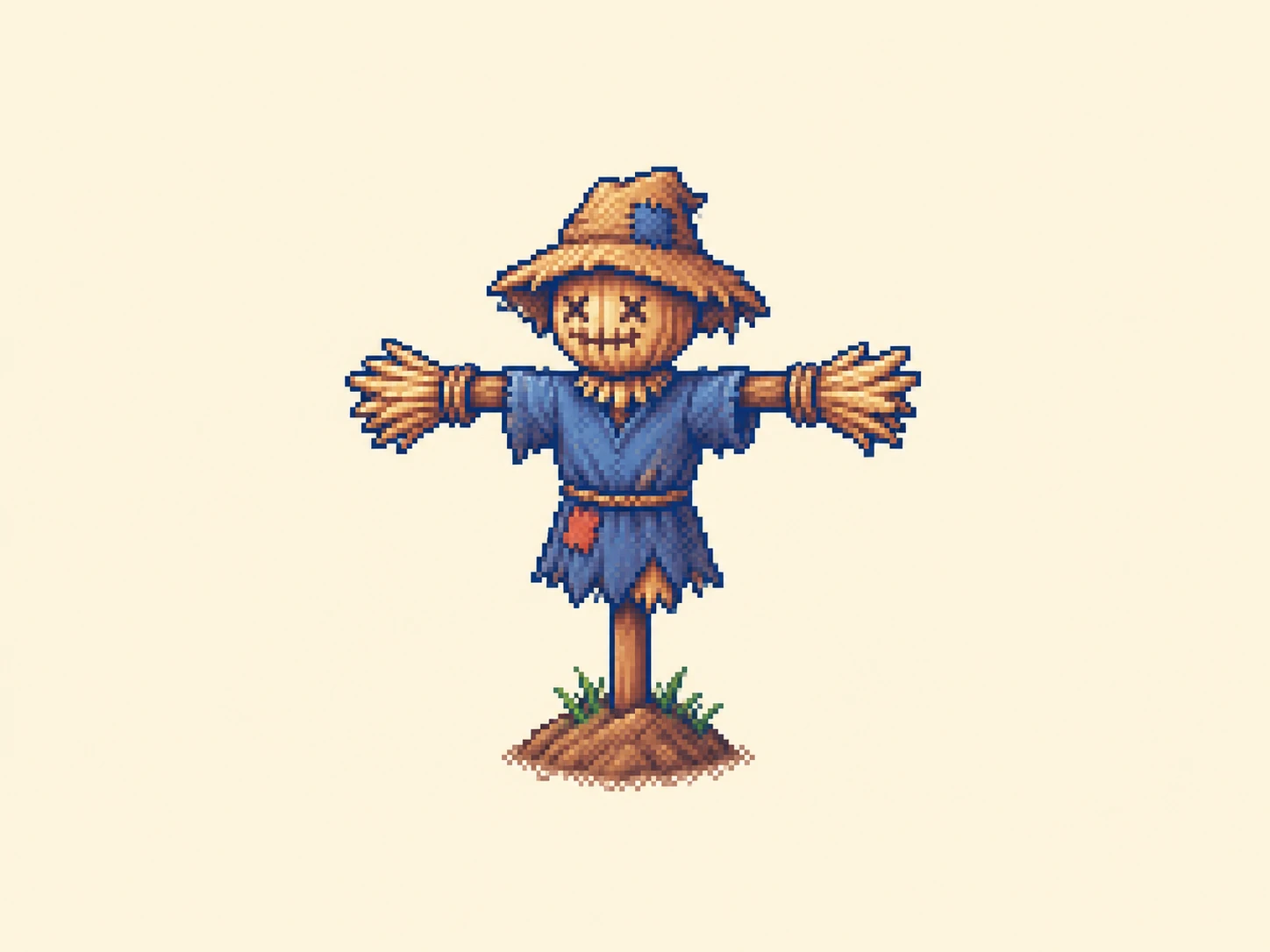
Hook: a scarecrow. The long horizontal is its outstretched arms, the short vertical is the stake it stands on. "Sa" as it scares the crows.
Stroke path: a short stroke slanting down-right at the top, then a long horizontal, then a short vertical dropping from the horizontal and stopping well short of where キ would end. Three strokes.
Sound: "s" plus the "ah" from ア.
シ (shi)

シ (shi)
シ is three strokes: two short ones and a long one that sweeps up from the bottom left to the top right. It comes from 之, the same source as hiragana し, and it keeps し's sense of upward, vertical motion.
Here is the rule, and it is the whole reason this article exists. In シ, the two short strokes are stacked vertically, one above the other, hugging the left side. The long stroke is written last, from the bottom upward, and it ends by pointing up and to the right. Vertical dots, upward sweep. That is シ.
Hook: a smiling face knocked onto its side. The two short strokes are eyes, stacked because the face is sideways. The long stroke is a wide grin curving up.
Stroke path: two short strokes on the upper left, roughly one above the other, then the long stroke starting low on the left and sweeping up to the right. Three strokes.
Sound: "sh" plus "ee." There is no plain "si" sound in Japanese, which is why the romaji is "shi," not "si."
ス (su)
ス (su)
ス is two strokes: a short diagonal coming down from the upper right, then a stroke that drops and kicks out to the lower left, sometimes with a slight curve. It is a fragment of 須. On its own it looks like a figure mid-stride, or the tail end of a numeral 2.
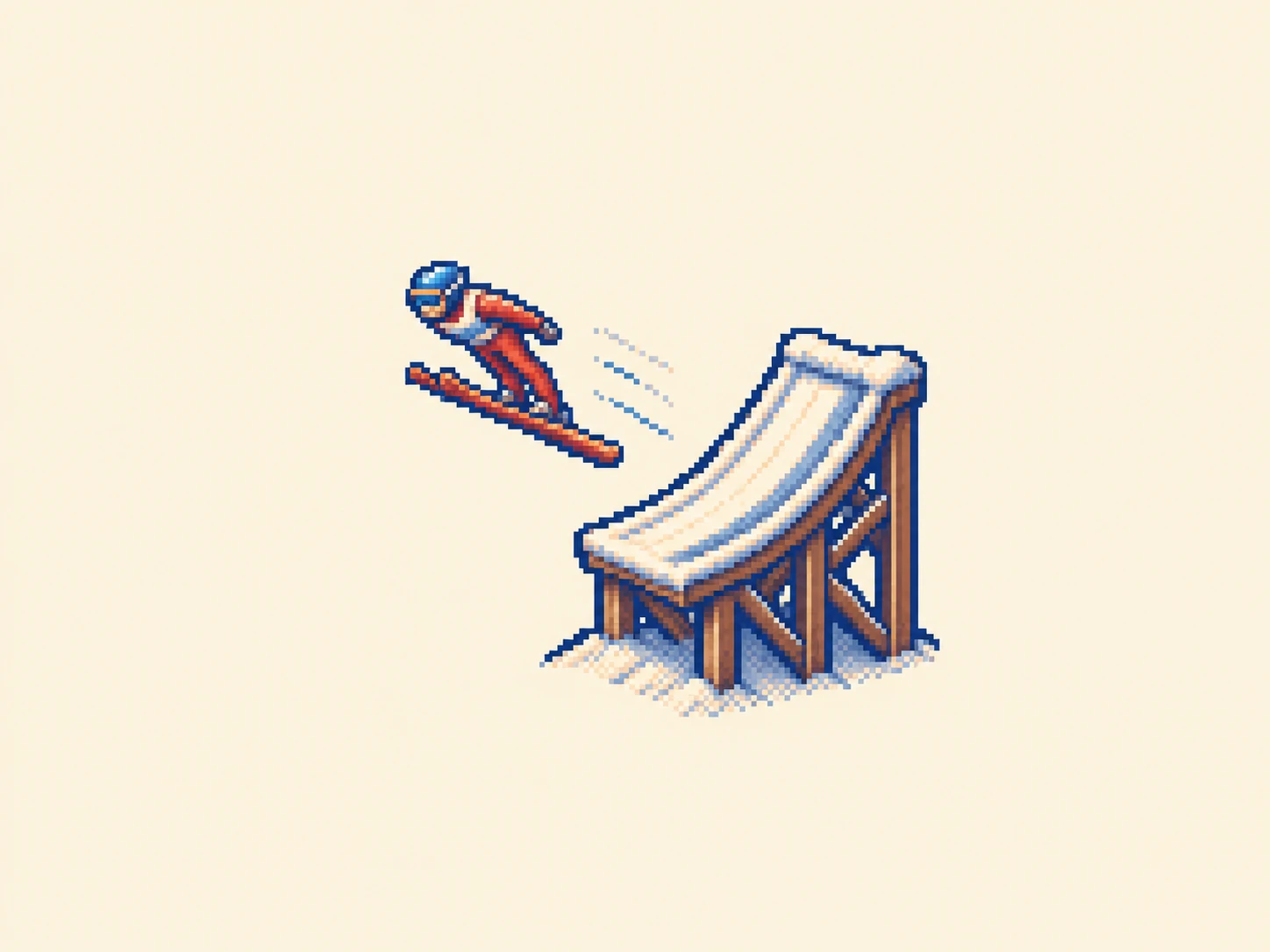
Hook: a ski jump. The top diagonal is the ramp, the long kick-out is the skier launching off the end. "Suuu" as they fly.
Stroke path: a short diagonal down to the right, then from its lower end a long stroke going down and sweeping out to the lower left. Two strokes.
Sound: "s" plus the short "oo" from ウ. Like ク, a ス at the end of a word often has its "oo" nearly swallowed, so "desu" comes out close to "dess."
セ (se)
セ (se)
セ comes from 世, the same source as hiragana せ, and it is せ with the loop opened out. A vertical crossed low by a horizontal, then a stroke that runs along and hooks upward at the end.
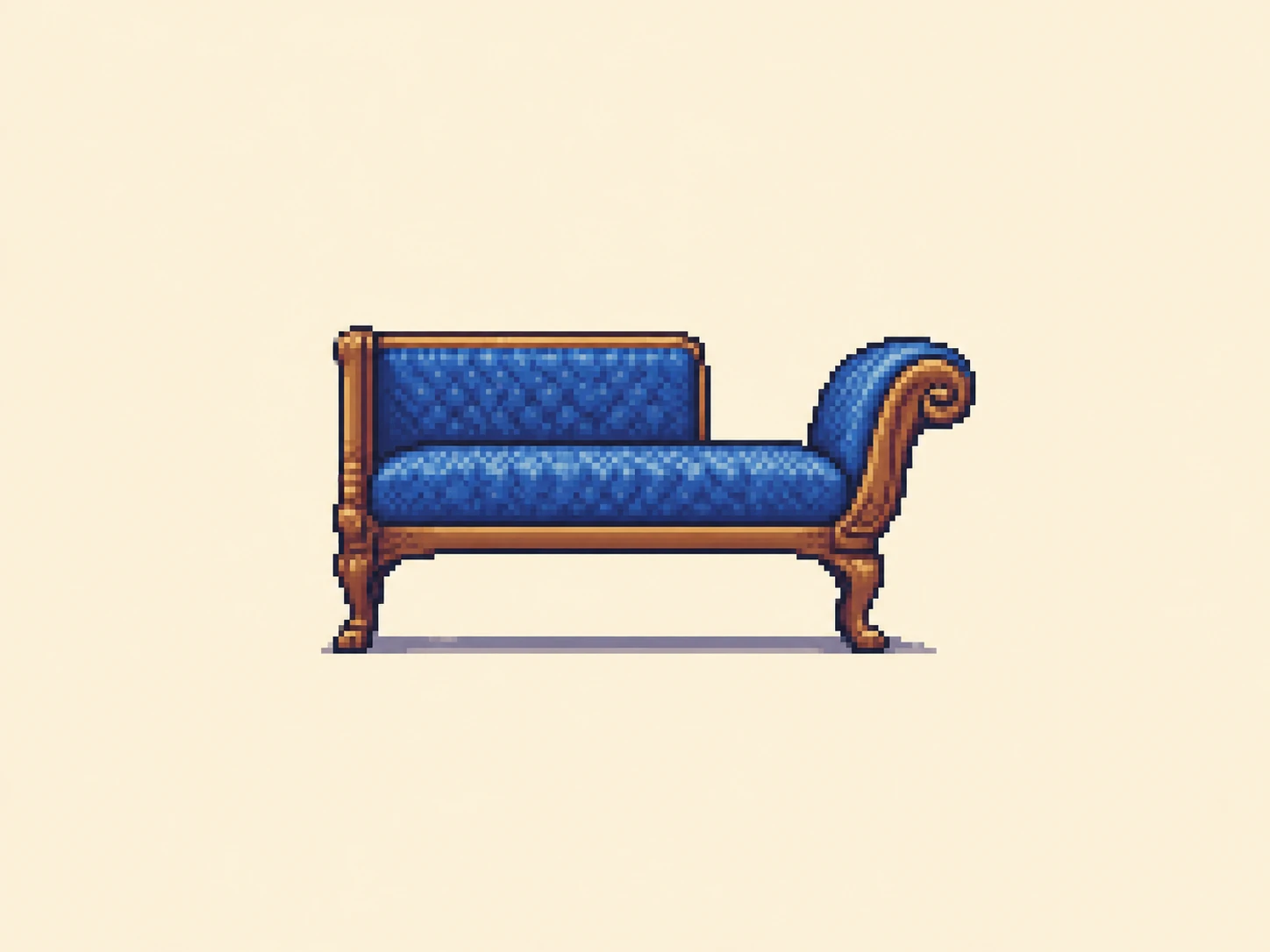
Hook: a settee, a little two-seater bench. The vertical and crossbar are the seat and back, the hooked stroke is an armrest curling up at one end. "Se" for settee.
Stroke path: a horizontal with a short vertical crossing it low and left, then a longer stroke sweeping right and hooking up. Two strokes.
Sound: "s" plus the "eh" from エ.
ソ (so)
ソ (so)
ソ is two strokes: a short one at the top and a long one sweeping down to the lower left. It is a fragment of 曽. It is also nearly identical to ン (n), and the rule that separates them is the mirror image of the シ rule.
In ソ, the short stroke sits on top and points down, and the long stroke moves downward, from top to bottom-left. Top stroke, downward sweep. Compare with ン (n): there the short stroke sits low on the left and points right, and the long stroke sweeps upward. ソ goes down, ン goes up, exactly like ツ goes down and シ goes up.
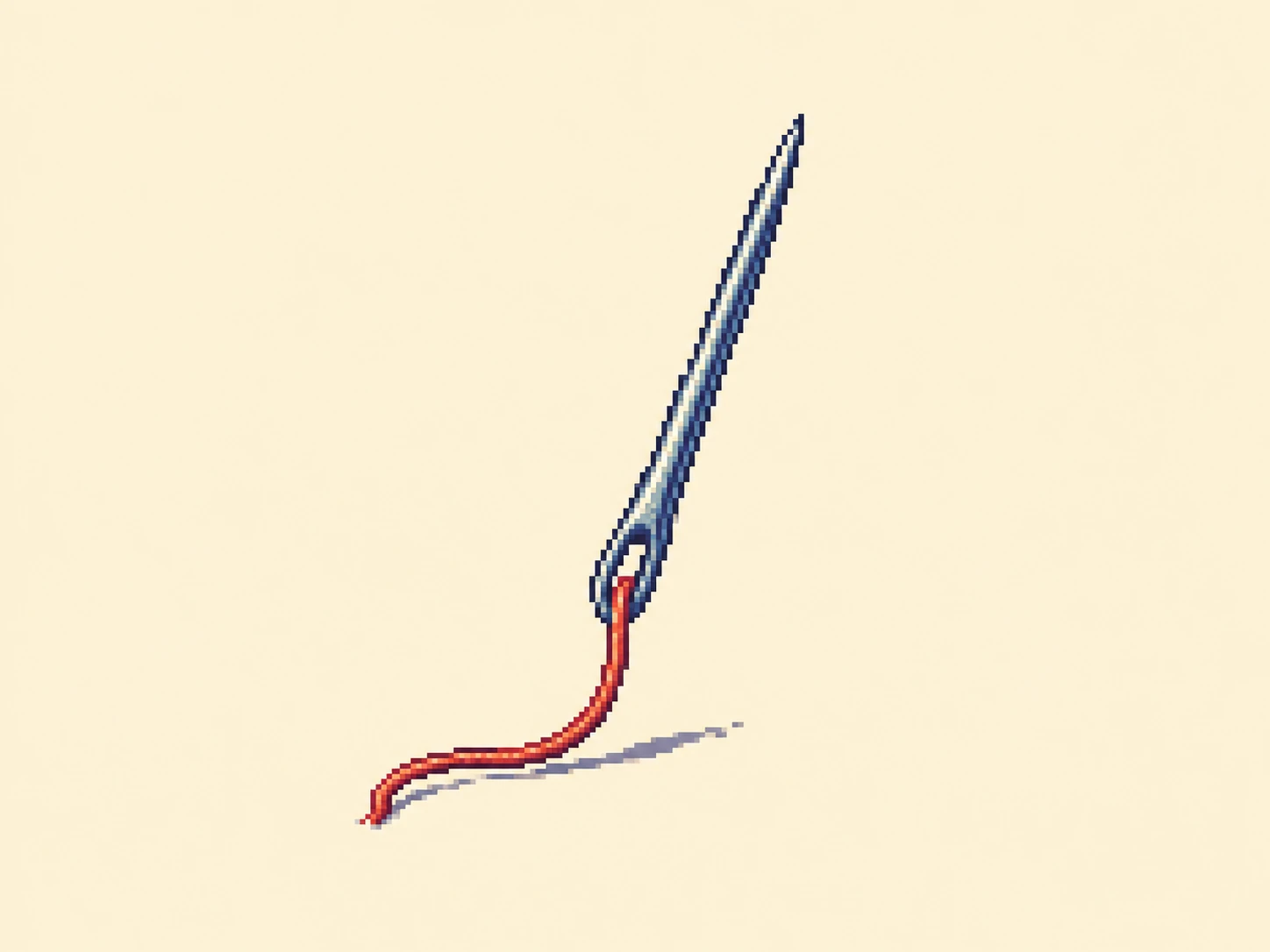
Hook: sewing. The short stroke is a needle held at an angle, the long stroke is the thread hanging from its eye. "So" for "sew."
Stroke path: a short stroke near the top, angled, then a long stroke from the top sweeping down to the lower left. Two strokes.
Sound: "s" plus the "oh" from オ.
The one rule for シ, ツ, ソ, ン
Stop trying to memorize these four as four separate pictures. They come in two pairs that behave the same way:
| Character | Short strokes | Long stroke | Think of it as |
|---|---|---|---|
| シ (shi) | stacked vertically, on the left | sweeps up | going up, like a smile |
| ン (n) | low on the left, one mark | sweeps up | going up, a short tail flicking up |
| ツ (tsu) | side by side, along the top | sweeps down | going down, like a frown |
| ソ (so) | one mark, on top | sweeps down | going down, thread hanging |
The fastest tell in real reading: look at the small strokes first. If they are stacked vertically or sit low, the character sweeps up (シ or ン). If they sit side by side along the top, the character sweeps down (ツ or ソ). Then let the long stroke confirm it. Once this clicks you will read all four at full speed, with maybe the faint hesitation I still get, which has never once caused an actual misread.
The other look-alikes
- ソ (so) vs ノ (no). ノ is a single clean diagonal with nothing else. ソ has the extra short stroke up top. One stroke versus two. ノ is in the N-row.
- ス (su) vs ヌ (nu). ヌ is ス with an extra stroke slashing across it. Bare means ス. ヌ is in the N-row.
- サ (sa) vs キ (ki). Vertical spears all the way through and out: キ. Vertical starts late and stops short: サ.
- セ (se) vs unrelated shapes. セ is the quiet one in this row. Nothing else looks much like it, which is a small mercy.
Reading real words
With the S-row done you have fifteen characters, and the word list opens up a lot. Every word below uses only Vowels, K-row, and S-row characters, plus the ー bar.
| Word | Reading | Meaning |
|---|---|---|
| スイカ | suika | watermelon |
| キス | kisu | kiss |
| スキー | sukī | ski, skiing |
| ソース | sōsu | sauce |
| コース | kōsu | course |
| スカイ | sukai | sky (in brand and place names) |
| シーソー | shīsō | seesaw |
| アイス | aisu | ice cream |
シーソー is the one to study. It has シ and ソ in the same short word, both followed by the long bar. If you can read シーソー cleanly, out loud, without stopping to think about which one sweeps up, the rule has landed. アイス is the callback: back in the vowels article you could only read two of its three characters. Now you can read all of it.
Drilling the S-row
Split your practice. Give サ, ス, セ one quick pass in Hirakata's Study mode and move on. Then spend the real time on シ and ソ, and do it with ツ and ン in the mix so the contrast is live. Match mode with the full katakana deck on is good for this once you can survive it. When シ comes up, say "up" under your breath. When ソ comes up, say "down." Attaching a word to the direction makes it a decision instead of a guess.
Practice before moving on
Before the T-row, check that you can:
- Write all five S-row characters from memory, in order
- State the シ rule and the ソ rule without looking: vertical or low strokes sweep up, strokes along the top sweep down
- Read シーソー out loud without hesitating on either character
- Tell ス from ヌ and ソ from ノ by counting strokes
- Read all eight practice words above at a normal pace
Where to go from here
The Katakana T-Row is next, and it contains ツ, the fourth member of the group you just learned the rule for, so you arrive with most of the work already done. For the hiragana version of this row, see Hiragana S-Row. The look-alike-pairs section of Understanding Katakana is worth rereading once the whole series is behind you. Drill サ, シ, ス, セ, ソ in Hirakata's Study and Match modes, with ツ and ン switched on.