The S-row is where the tidy "every row is just a consonant plus the five vowels" pattern breaks for the first time. Four of the five characters follow the rule exactly. The fifth, し, doesn't sound like "si," it sounds like "shi." It's a small irregularity, but it catches people who assumed the whole system was perfectly mechanical after breezing through vowels and the K-row.
This is a good moment to slow down slightly. The S-row isn't harder to draw than what came before, but it's the first place where sounding things out from the pattern alone will actually mislead you.
さ (sa)
さ (sa)
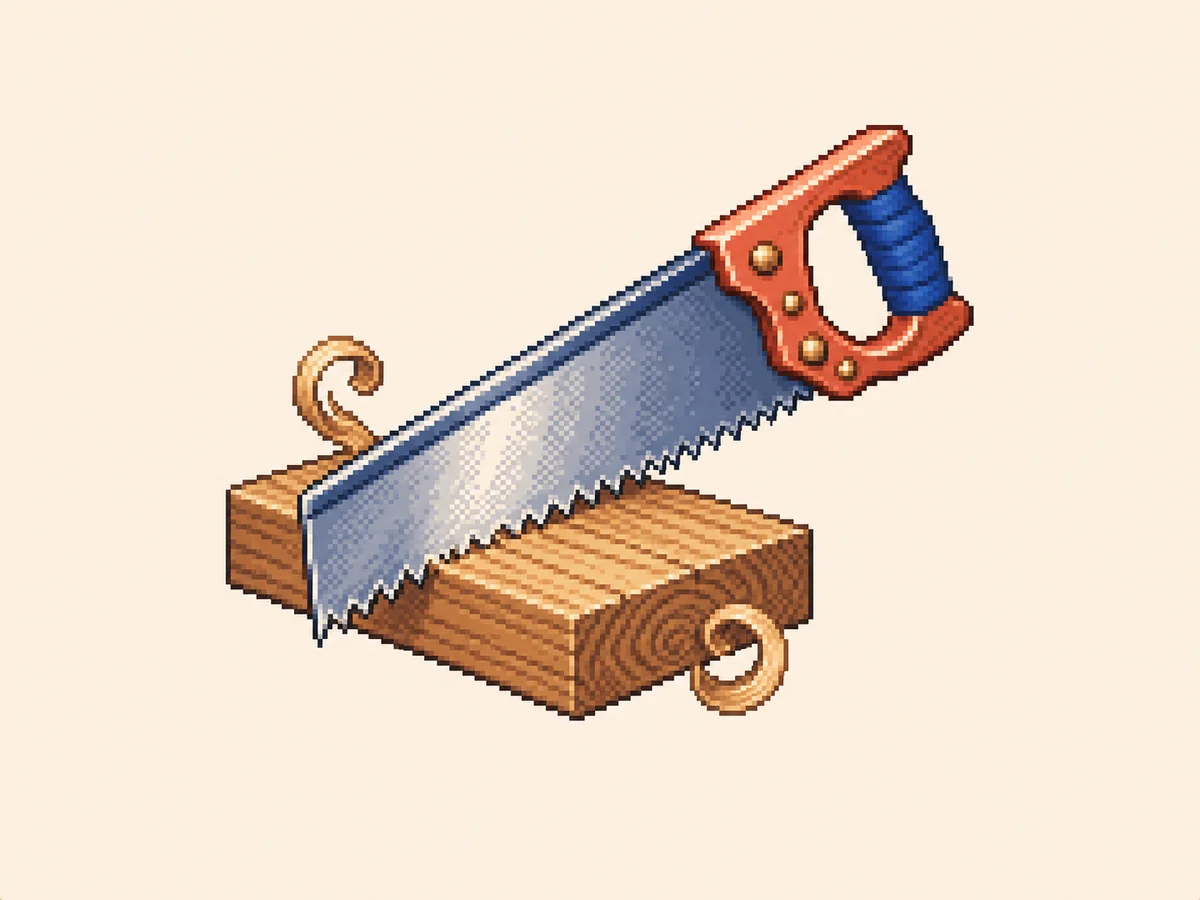
さ has a horizontal stroke crossed by a vertical one, with a curved hook at the bottom right, like the toothed edge of a saw blade cutting through wood. "Sa" as in "saw."
Sound: "s" plus the "ah" from あ, straightforward and regular.
し (shi)
し (shi)

し is a single curved stroke, almost a vertical line that hooks up and to the right at the very bottom, like a fishhook. Picture someone reeling in a catch and shouting with delight, roughly the sound "shi."
Sound: this is the irregular one. It's "shi," not "si." There's no "si" sound anywhere in standard Japanese, only "shi." Say it like the start of "sheet," not "sit."
す (su)
す (su)
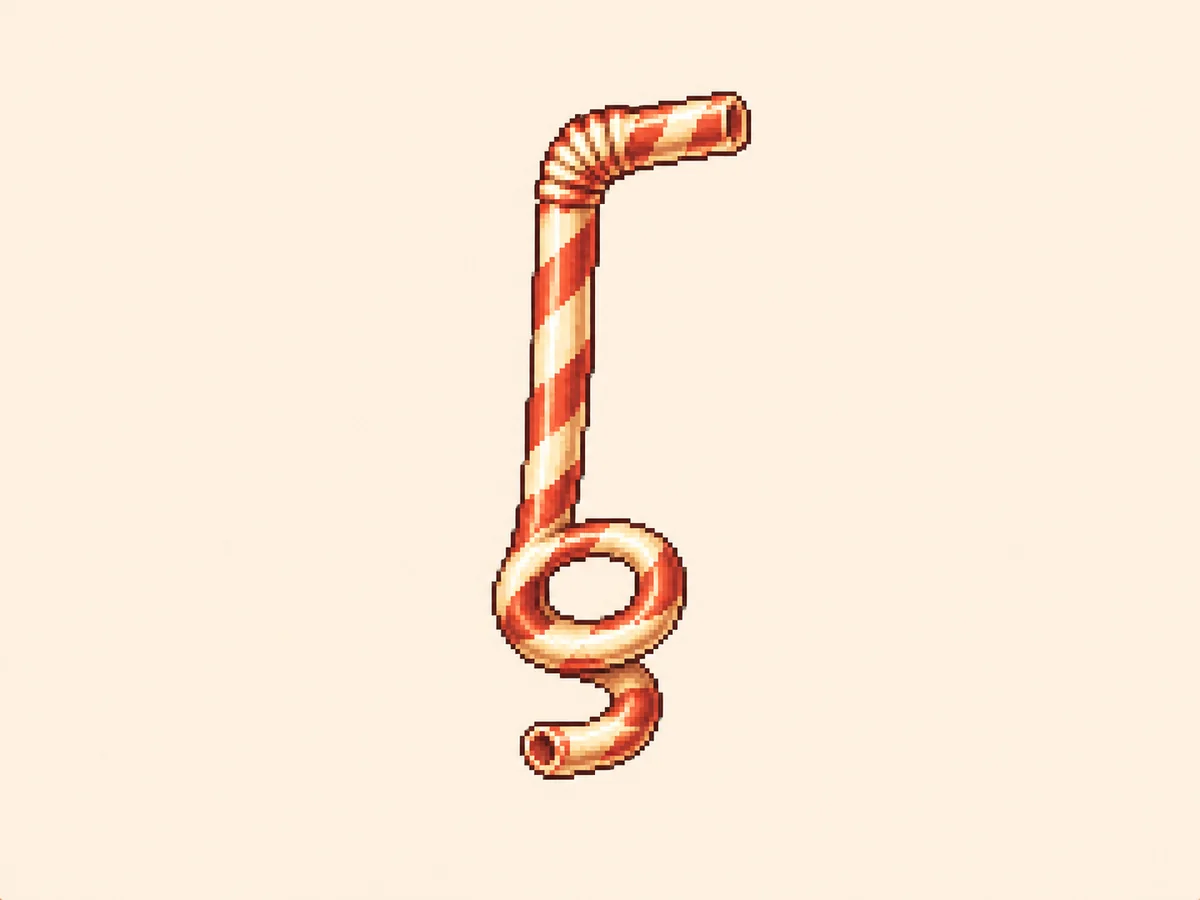
す looks like a straw with a little curl at the bottom, a loop that trails off. Picture sipping a drink through a curly straw and making a "suuu" sound as the last bit gets pulled up.
Sound: "s" plus the short "oo" from う, same clipped, unrounded vowel you learned in the vowels article.
せ (se)
せ (se)
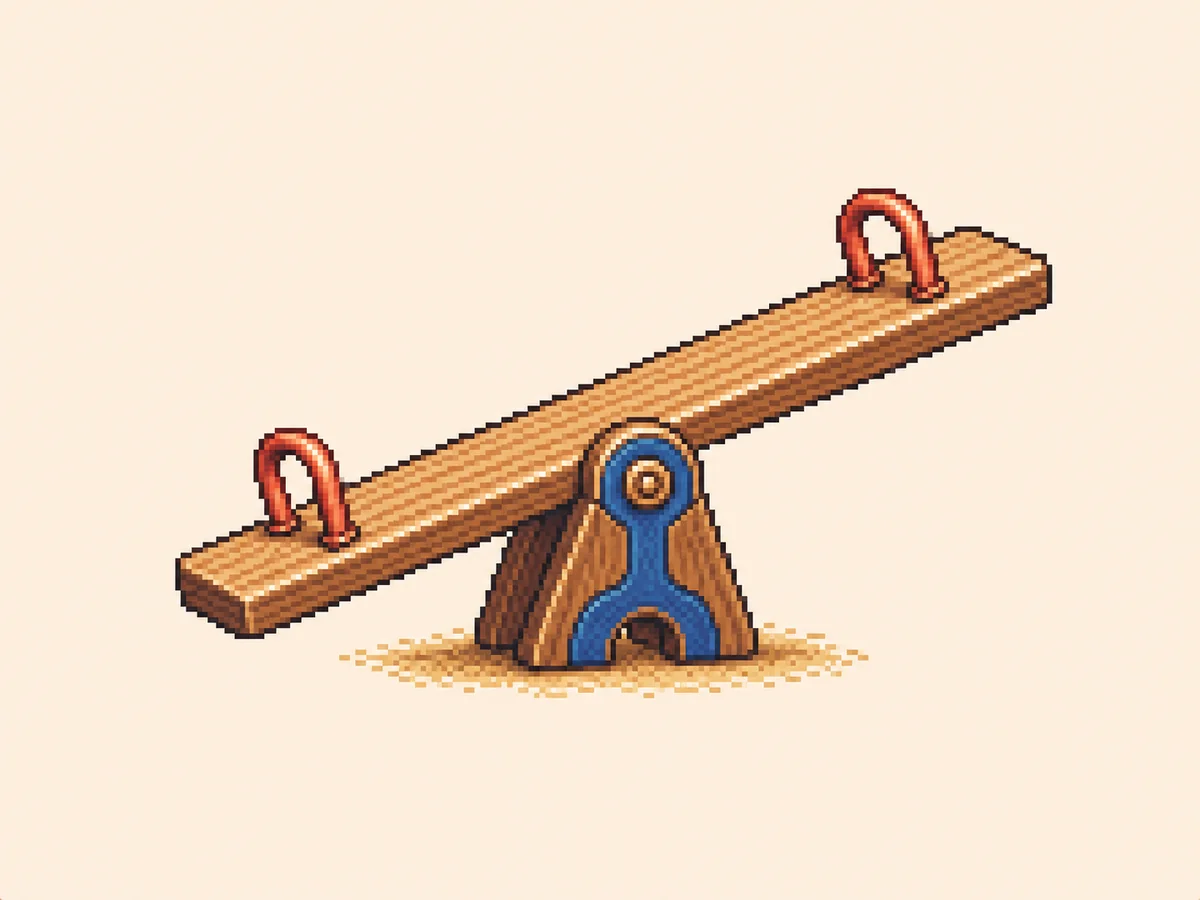
せ has a horizontal cross stroke and a vertical stroke with a small hook, resembling a seesaw tilted to one side. "Se" as in "seesaw," tipping back and forth.
Sound: "s" plus the "eh" from え. Watch this one against さ, since both have a horizontal crossing stroke, but せ's vertical stroke extends further above the crossbar, giving it a taller, narrower look.
そ (so)
そ (so)
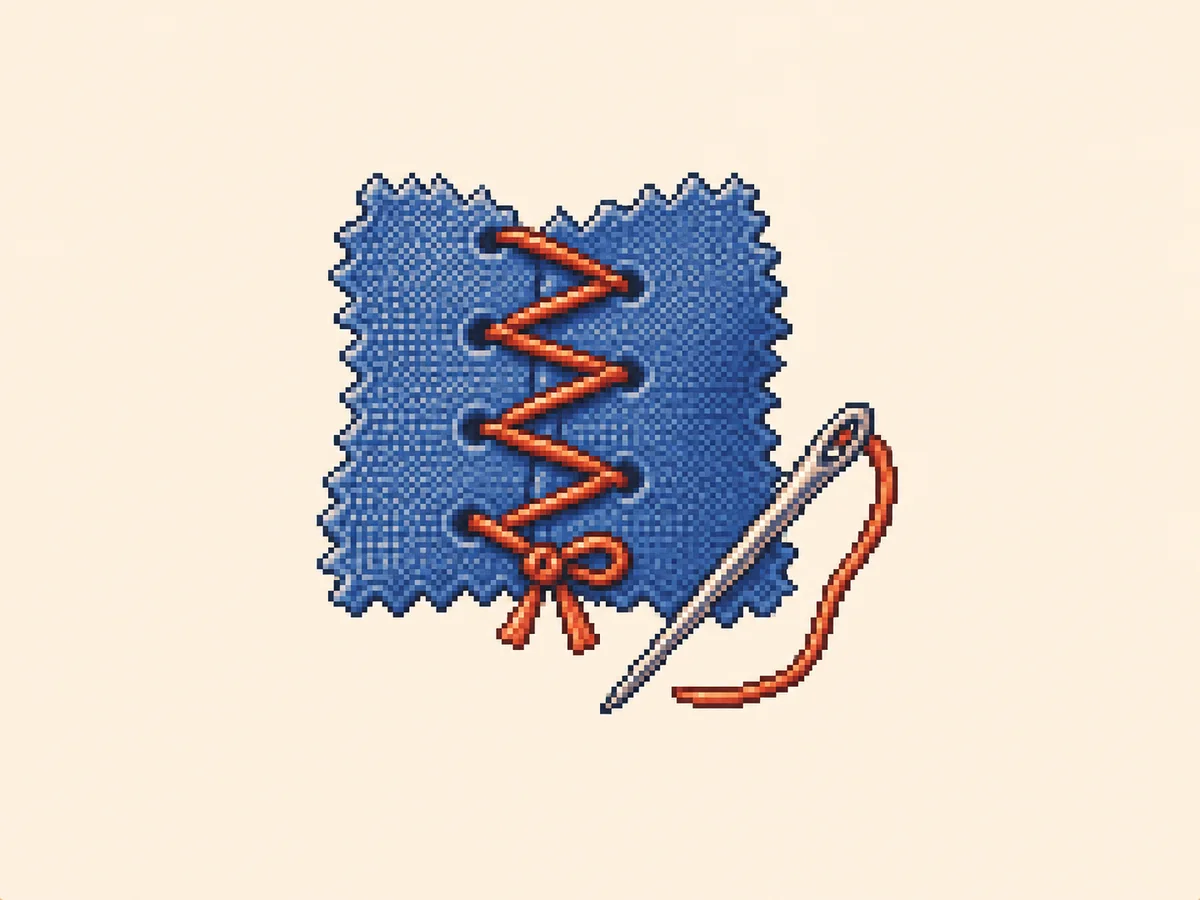
そ is drawn (in most handwritten and printed forms) as one continuous zigzag, angling back and forth like a line of stitches. "So" as in "sew," thread pulled tight and knotted.
Sound: "s" plus "oh" from お. One of the more visually distinctive characters in the set, since nothing else in hiragana has quite that zigzag shape.
The pairs to watch
さ and せ are the S-row's main internal confusion, both built around a horizontal cross stroke. さ's hook curves outward at the bottom right; せ's vertical stroke rises noticeably taller above the crossbar. Look at them stacked on top of each other rather than side by side, the height difference is more obvious that way.
The more important habit to build here: don't let し quietly become "si" in your head just because the pattern says it should. Say the audio out loud every time you review this character until "shi" is automatic, not something you have to correct.
Reading real words
| Word | Reading | Meaning |
|---|---|---|
| さかな | sakana | fish |
| しお | shio | salt |
| すし | sushi | yes, that word, built from characters you now know completely |
| せかい | sekai | world |
| そこ | soko | there, that place |
| あさ | asa | morning |
| いす | isu | chair |
| かさ | kasa | umbrella |
すし is worth pausing on. It's one of the most recognized Japanese words in English, and now you can read it directly off the two characters rather than treating it as a memorized loanword spelling.
Practice before moving on
Before the T-row, confirm you can:
- Write all five S-row characters from memory, in order
- Say し as "shi" without hesitating, every time
- Tell さ and せ apart in a mixed group
- Read all eight practice words above at a normal pace
Where to go from here
To practise writing the S-row, the hiragana S-row stroke order page animates every character stroke by stroke and lets you trace each one, with a check on the order and direction of every stroke.
The T-row has two more irregular sounds waiting (ち and つ), so the habit of checking pronunciation against audio rather than assuming the pattern holds will keep paying off there. For the complete study sequence, see Getting Started with Hiragana, and drill the S-row specifically in Hirakata's Study and Quiz modes.