Every row so far has had five characters, one for each vowel, including the M-row you just finished. The Y-row breaks that pattern in a different way than し, ち, or つ did: it's not that the sounds are irregular, it's that two of them don't exist at all. There's no "yi" and no "ye" in standard Japanese, so the row only has three members: や (ya), ゆ (yu), よ (yo).
Don't spend time hunting for the missing two, they're simply not part of the language. Three characters is the whole row, and it's a short, satisfying one after the T-row's exceptions.
や (ya)
や (ya)
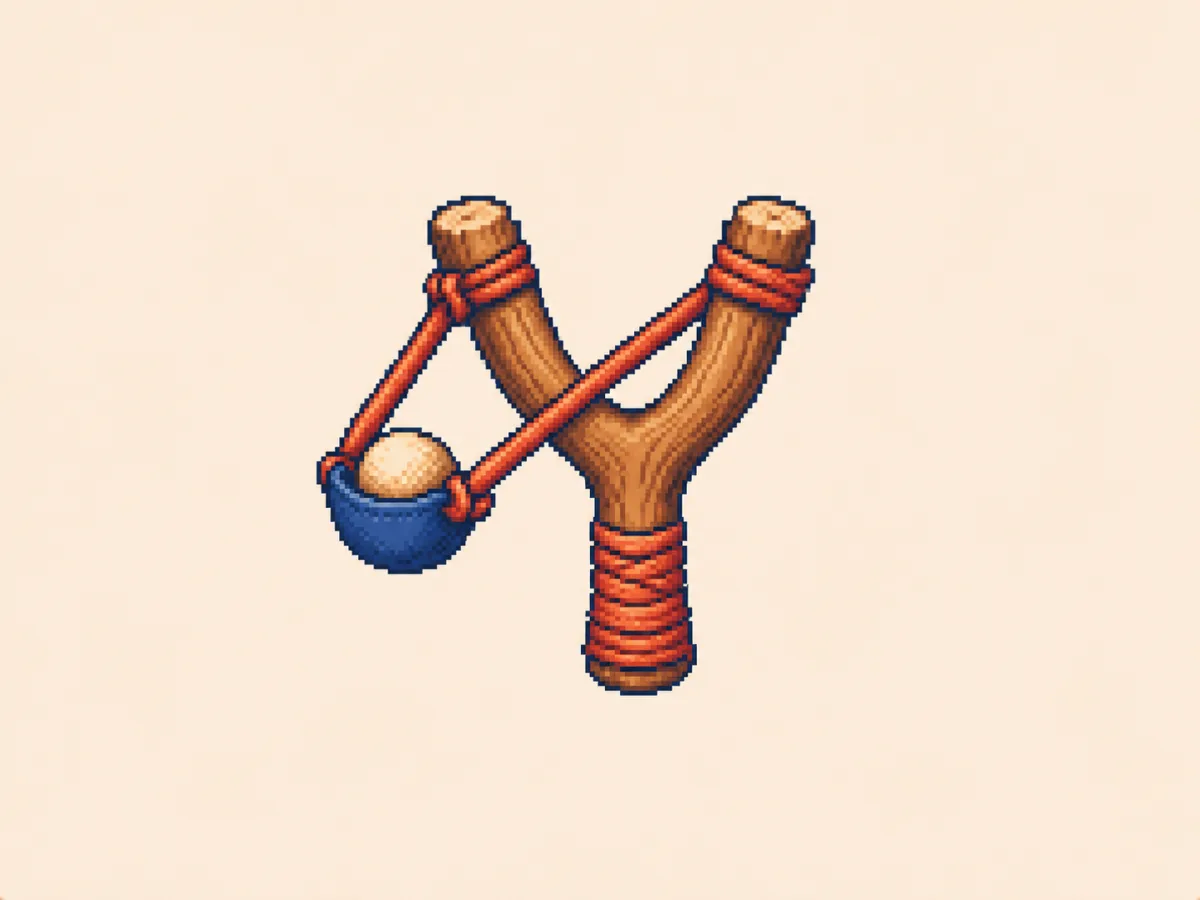
や has a diagonal cross stroke forming a shape close to a fork or a Y, like a slingshot pulled back and ready to fire. Picture releasing it and shouting "yah!" as the stone flies.
Sound: "y" plus the "ah" from あ.
ゆ (yu)

ゆ (yu)
ゆ is a curved, closed loop, like the round rim of a small wooden bucket used at a Japanese hot spring (onsen). This one has a bonus: ゆ (as 湯 in kanji) is the actual word for hot water, so the sound and the meaning point at the same thing.
Sound: "y" plus the short "oo" from う.
よ (yo)
よ (yo)
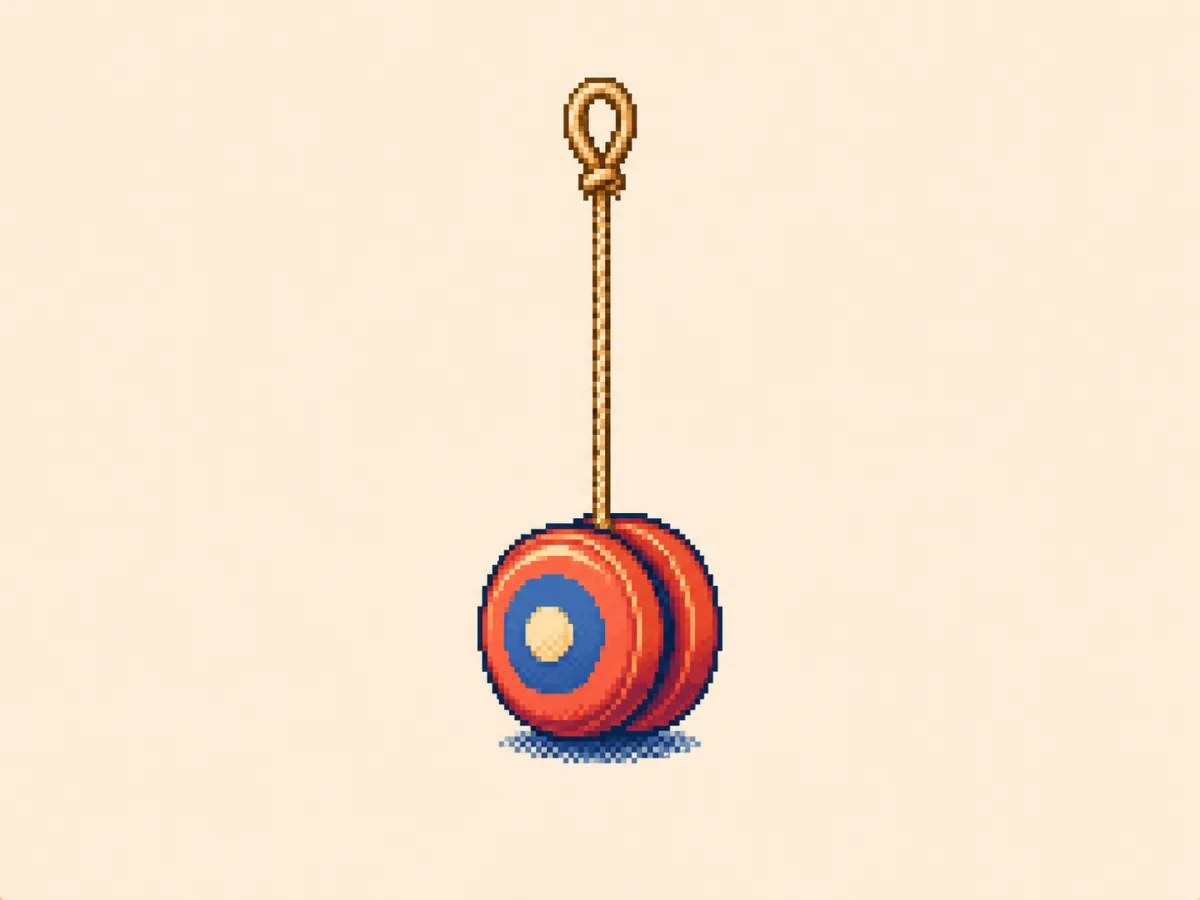
よ has a vertical stroke crossed by a curved hook, like a yo-yo caught mid-spin on its string. This is the easiest mnemonic in the row since the toy's name is the character's sound.
Sound: "y" plus "oh" from お.
Why this row matters more than its size suggests
Three characters looks like a light row compared to the five you've seen everywhere else, but や, ゆ, and よ punch above their weight. In their small, size-reduced forms (ゃ, ゅ, ょ), they attach to い-row characters like き, し, ち, and に to build contracted sounds: きゃ (kya), しゅ (shu), ちょ (cho), and dozens more. That entire system, covered in Contracted Sounds Explained, depends on knowing these three full-size characters cold first. If や, ゆ, よ are shaky here, the contracted sounds built on top of them will be shakier still.
Reading real words
| Word | Reading | Meaning |
|---|---|---|
| やま | yama | mountain |
| ゆき | yuki | snow |
| よる | yoru | night |
| やすい | yasui | cheap |
| ゆび | yubi | finger |
| よい | yoi | good |
| はやい | hayai | fast |
| みやこ | miyako | capital city, an old poetic word still seen in place names |
Practice before moving on
Before the R-row, confirm you can:
- Write all three Y-row characters from memory
- Explain in one sentence why there's no "yi" or "ye"
- Read all eight practice words above at a normal pace
Where to go from here
The R-row is next, five fully regular characters that are often confused with each other more than with anything outside the row. Once you've finished the main 46 characters, Contracted Sounds Explained shows exactly how や, ゆ, よ come back in their small form to build compound sounds. For the full sequence and timeline, see Getting Started with Hiragana, and drill these three in Hirakata's Study mode before moving on.