If the S-row taught you that one character out of five can break the pattern, the T-row doubles down: two of its five characters are irregular. ち isn't "ti," it's "chi." つ isn't "tu," it's "tsu." These aren't edge cases you'll encounter occasionally, they're two of the most common syllables in the language, so getting them right here matters more than almost anywhere else in the chart.
I'll be honest, the T-row is the one I see beginners misread out loud most often, usually because they're subconsciously applying English spelling rules to a system that doesn't share them. Slow down for these five.
た (ta)
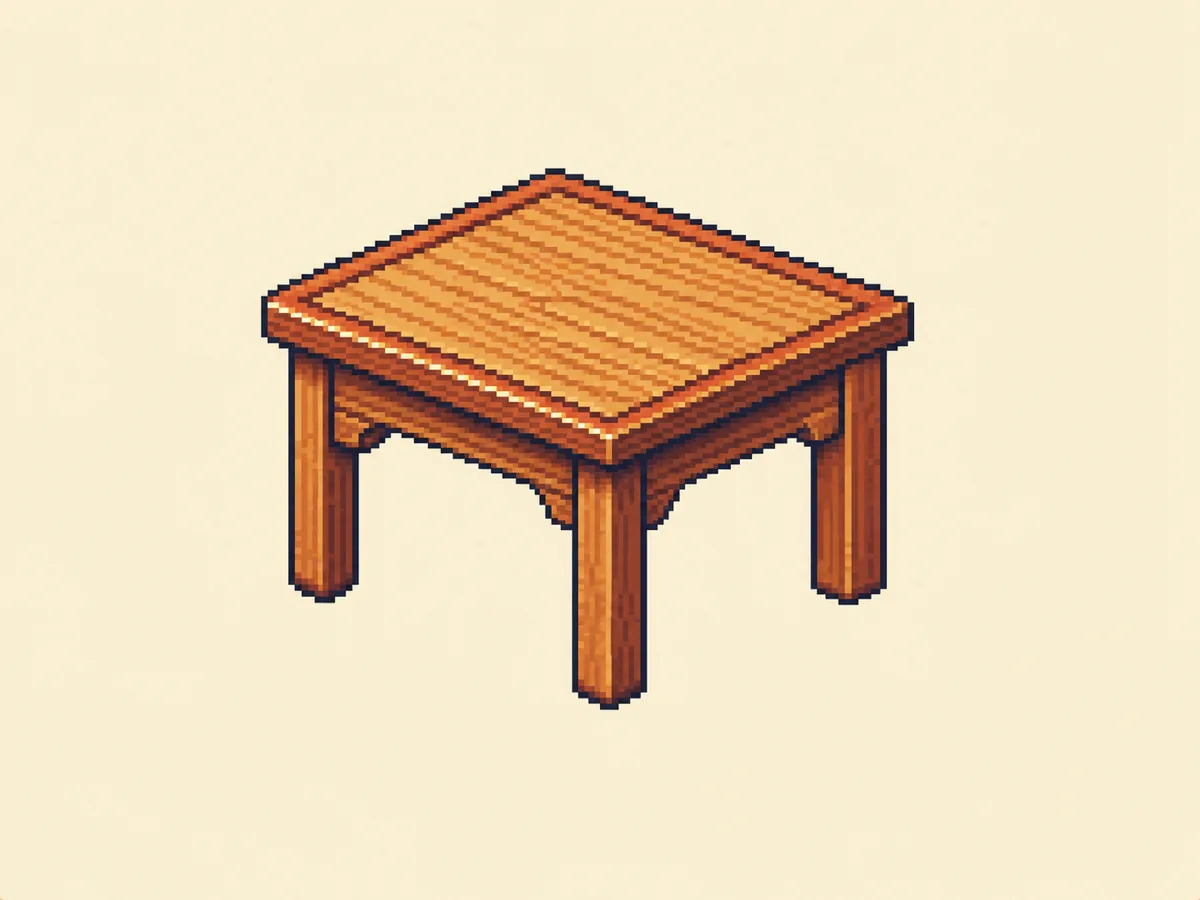
た (ta)
た has a cross stroke on the left and two short strokes on the right that look like a small こ. Picture a small table seen from the side, one leg curving out for support. "Ta" as in "table."
Sound: "t" plus the "ah" from あ, fully regular.
ち (chi)

ち (chi)
ち is a short crossbar with a second stroke dropping through it and curving back on itself, like a ribbon caught mid-swirl. Picture a cheer squad shouting as they wave their pom-poms: the sound that comes out is close to "chee."
Sound: this is irregular. It's "chi," not "ti." Say it like the start of "cheese." There's no "ti" sound in standard Japanese at all, only "chi."
つ (tsu)
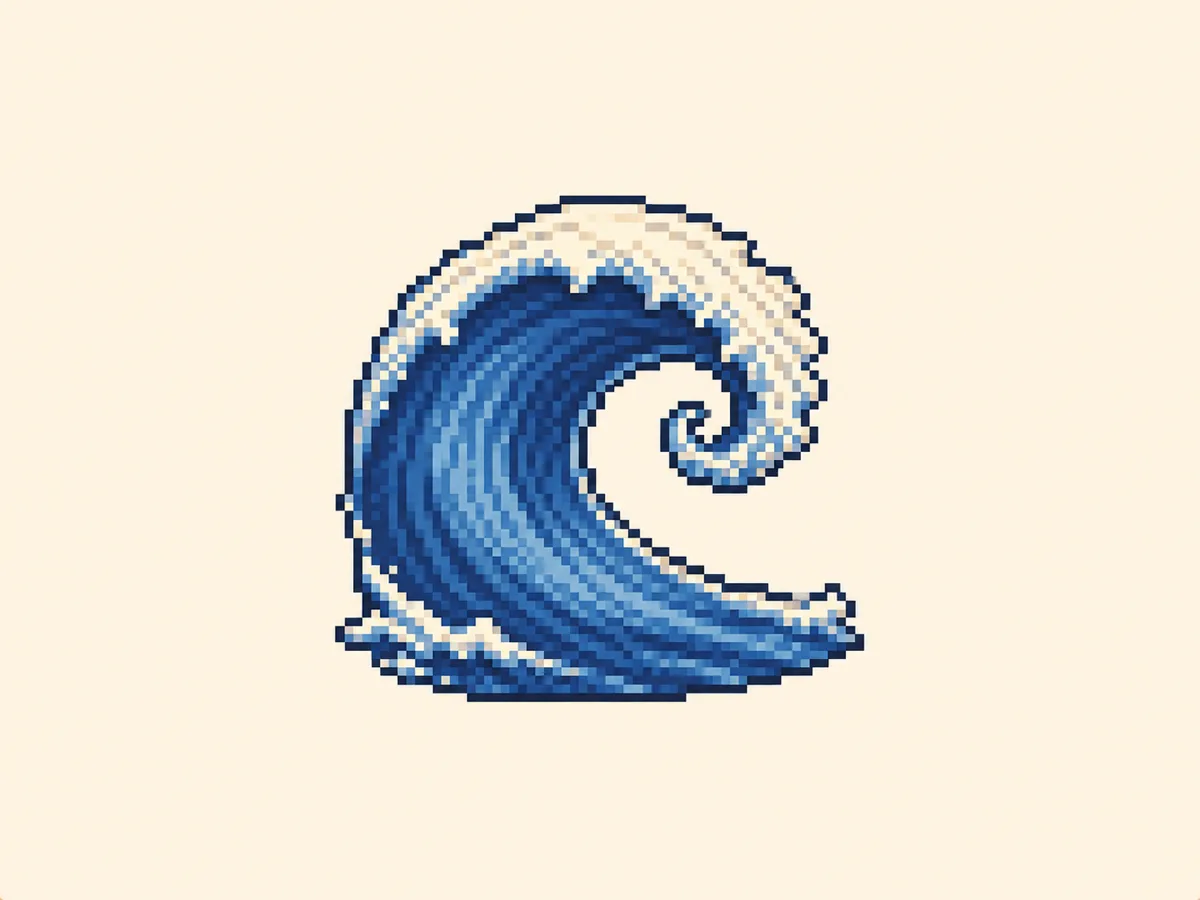
つ (tsu)
つ is one clean curved stroke, sweeping down and to the left like a cresting wave. This is the easiest mnemonic in the entire hiragana set to remember, because the sound and the image are almost the same word: "tsu," as in "tsunami," a wave.
Sound: also irregular, "tsu," not "tu." It's the same consonant cluster as the end of "cats," just placed at the front of the syllable instead. English speakers often soften this to "soo" or "too," but the "ts" sound should be crisp and audible.
て (te)
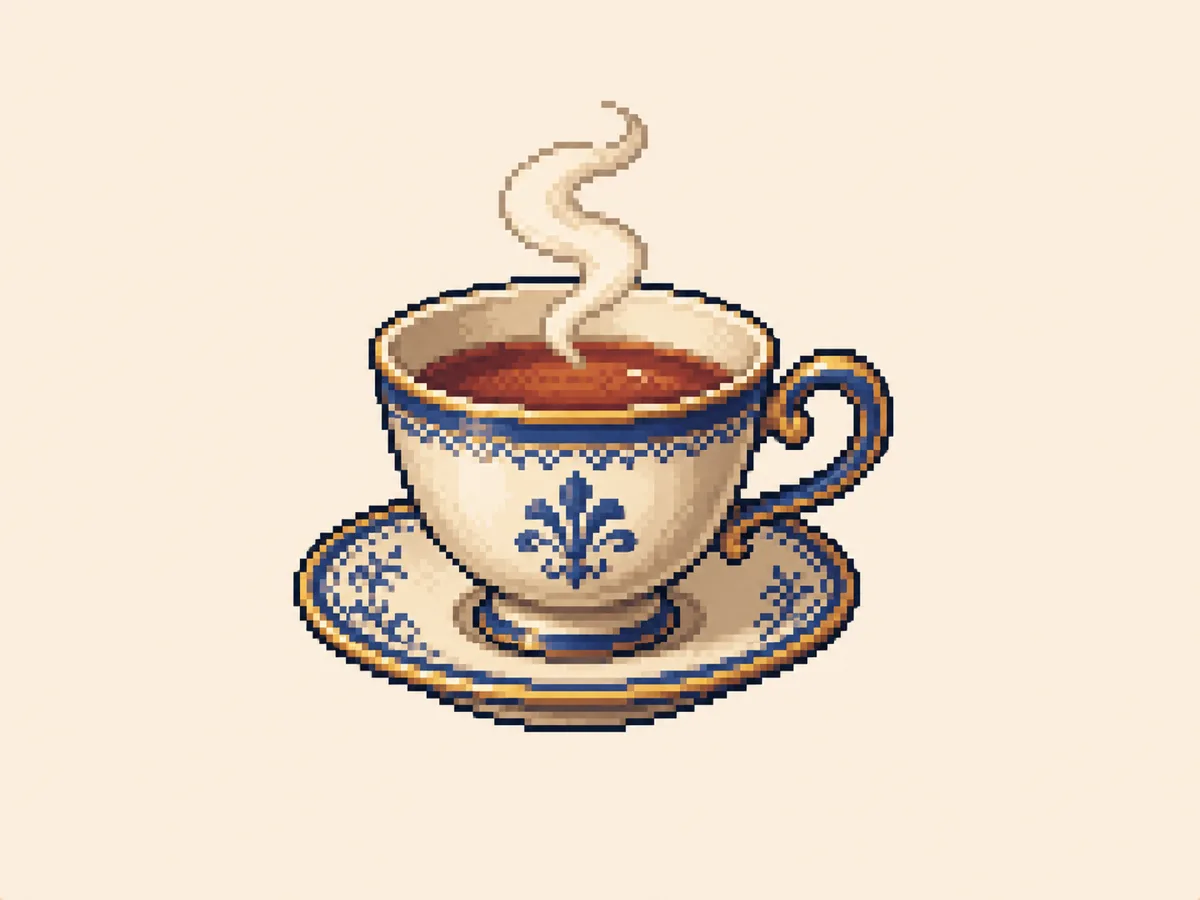
て (te)
て is a single bent stroke, roughly like a teacup with a curved handle, steam curling up from the top. "Te" as in "tea."
Sound: "t" plus the "eh" from え, regular and straightforward.
と (to)
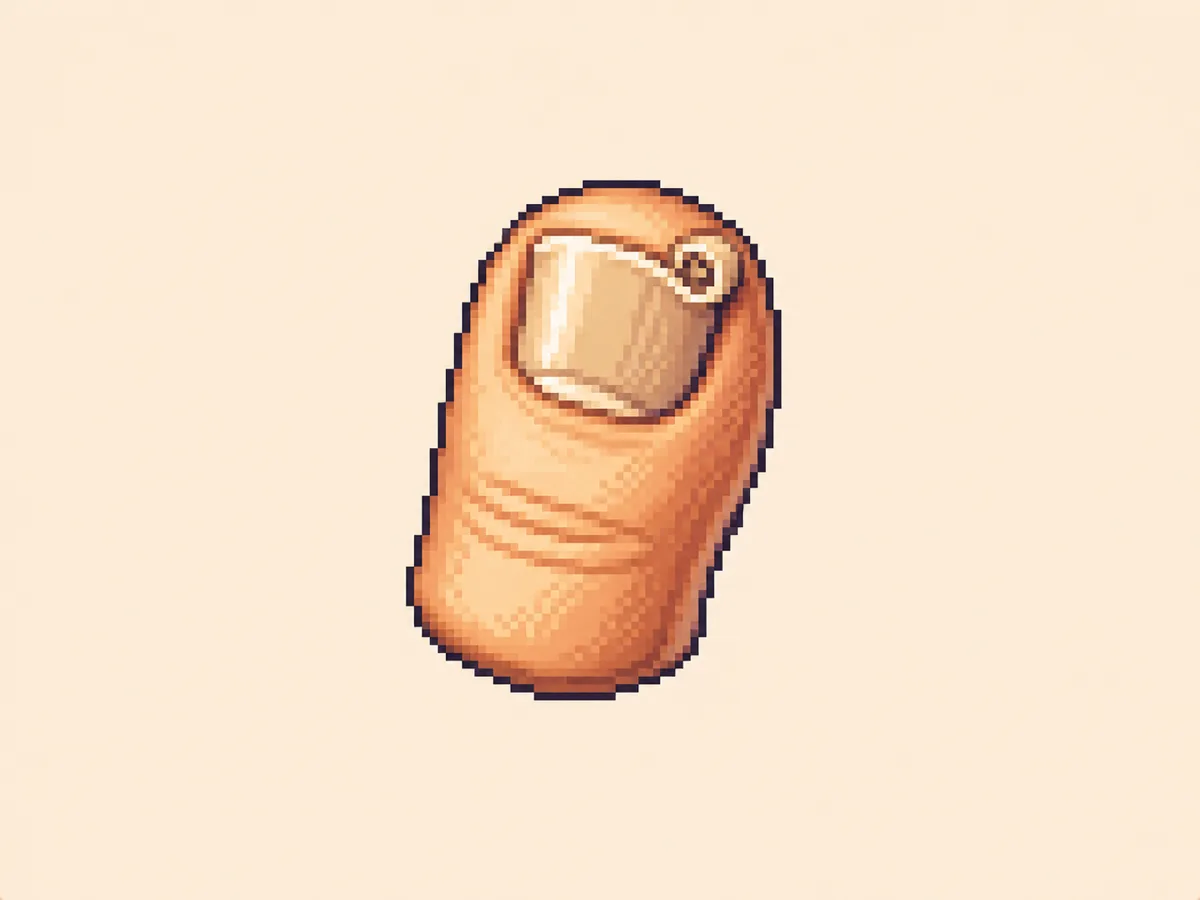
と (to)
と is a short slanted stroke at the top with a curve below it that sweeps left and then out to the right along the bottom, like a toe with the nail curling at the tip. "To" as in "toe."
Sound: "t" plus "oh" from お, regular.
The pairs to watch
た and な (from the upcoming N-row) get confused constantly, since both have a similar cross-stroke-plus-hook structure. For now, just note that た's hook sits lower and tighter than what you'll see in な.
Inside the T-row itself, つ and く (from the K-row) are the classic mix-up: both are single curved strokes. つ curves down toward the lower left like a wave falling; く opens to the right like a beak. If you draw them stacked, the mirrored direction becomes obvious.
The habit that matters most here isn't a stroke comparison though, it's resisting the urge to read ち and つ as "ti" and "tu." Say the audio out loud on every single review rep until "chi" and "tsu" come out automatically.
Reading real words
| Word | Reading | Meaning |
|---|---|---|
| たこ | tako | octopus |
| ちかてつ | chikatetsu | subway |
| つき | tsuki | moon |
| て | te | hand |
| とけい | tokei | clock |
| した | shita | under, below |
| くつ | kutsu | shoes |
| あつい | atsui | hot |
ちかてつ is a good workout word: it strings together ち, か, て, つ, characters from the K-row and T-row, and reads out as a real, common word rather than a constructed drill sentence.
Practice before moving on
Before the N-row, confirm you can:
- Write all five T-row characters from memory, in order
- Say ち as "chi" and つ as "tsu" without hesitating, every single time
- Tell つ and く apart in a mixed group
- Read all eight practice words above at a normal pace
Where to go from here
To practise writing the T-row, the hiragana T-row stroke order page animates every character stroke by stroke and lets you trace each one, with a check on the order and direction of every stroke.
The N-row is fully regular, no irregular sounds at all, which makes it a good breather after this row. For the complete study sequence across all 46 characters, see Getting Started with Hiragana, and drill ち and つ specifically in Hirakata's Study mode until the irregular sounds stop needing conscious effort.