The M-row is fully regular, no irregular sounds to catch you off guard the way ち, つ, and ふ from the H-row did in earlier rows. But it carries one important piece of unfinished business: め, which forms the single most commonly confused pair in basic hiragana together with ぬ from the N-row. We flagged it there and promised a direct comparison once you'd learned め. This is that comparison.
ま (ma)
ま (ma)
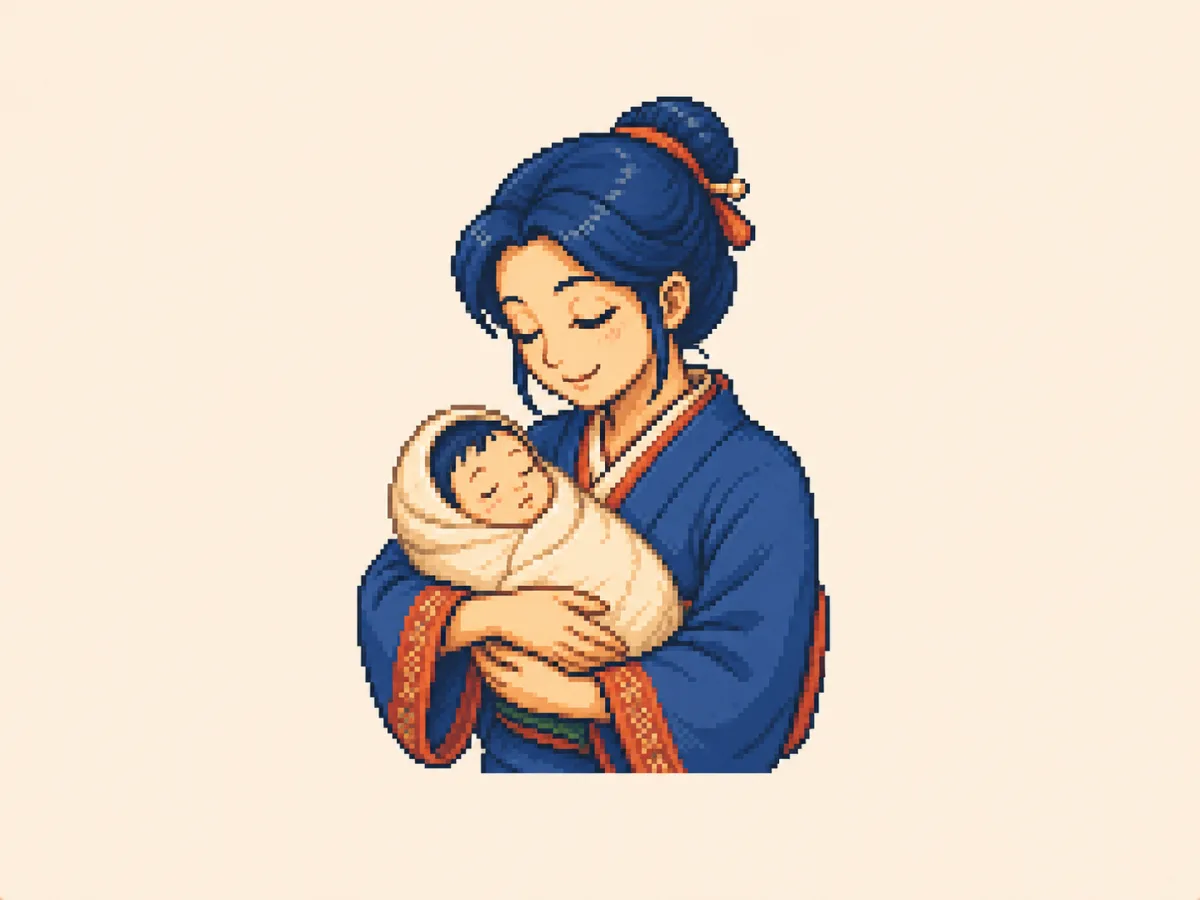
ま has a cross stroke and a loop, like a mother cradling a swaddled infant in her arms. "Ma" as in "mama."
Sound: "m" plus the "ah" from あ, regular.
み (mi)
み (mi)
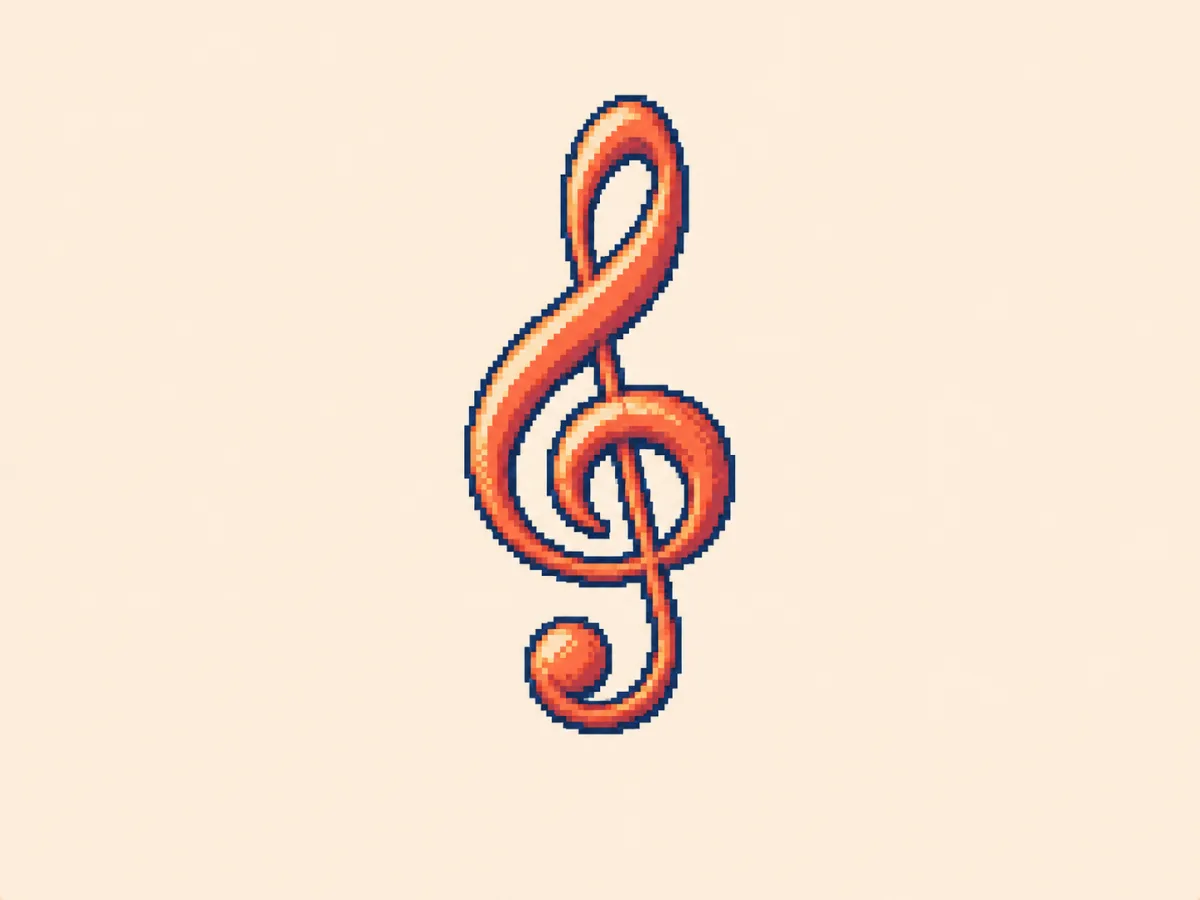
み is two flowing strokes that curl together, similar in silhouette to a musical treble clef. If you've ever sung the solfège scale, "do re mi," the third note gives you a built-in sound anchor for this exact character.
Sound: "m" plus the "ee" from い, regular.
む (mu)

む (mu)
む has a boxy top and a curling tail, like a cow's face with two horns curving out. This one barely needs an invented mnemonic: in Japanese, a cow says むー (muu), so the character and its own sound effect are the same thing.
Sound: "m" plus the short "oo" from う, regular.
め (me)

め (me)
め is a curved stroke with a loop that stays open at the top, like an eye mid-wink, the lid not quite closed all the way. This pairs neatly with meaning too: め is also how you read the kanji for eye (目).
Sound: "m" plus the "eh" from え, regular.
The ぬ vs め fix, side by side
Here's the direct comparison promised in the N-row article. Both ぬ and め are a curved stroke with a loop attached, and from a distance they look nearly identical. The difference that actually holds up under pressure:
- ぬ — the loop closes completely into a full circle, like tightly wound noodles
- め — the loop stays open, like a wink that hasn't fully closed
A closed loop versus an open one. That's the entire distinction. Write both several times in a row, closing ぬ's loop deliberately and leaving め's open, until your hand remembers the difference without your brain having to check.
も (mo)

も (mo)
も has a cross stroke and a small hook, like a young sprout just breaking through the surface of the soil, the horizontal line marking ground level. "Mo" as in もやし (moyashi), bean sprouts.
Sound: "m" plus "oh" from お, regular.
Reading real words
| Word | Reading | Meaning |
|---|---|---|
| まど | mado | window |
| みず | mizu | water |
| むし | mushi | insect |
| あめ | ame | rain, or candy depending on pitch accent |
| もも | momo | peach |
| なまえ | namae | name |
| くも | kumo | cloud, or spider depending on context |
| みみ | mimi | ear |
もも, peach, doubling the same character twice, is a good check on whether you can read repeated characters at a normal pace without stumbling on the repetition.
Practice before moving on
Before the Y-row, confirm you can:
- Write all five M-row characters from memory, in order
- Tell ぬ and め apart instantly, closed loop versus open loop
- Read all eight practice words above at a normal pace
Where to go from here
The Y-row only has three characters instead of five, since や, ゆ, よ don't pair with every vowel, and it's also where combination sounds like きゃ and しゅ eventually come from. For the complete study sequence, see Getting Started with Hiragana, and drill the M-row in Hirakata's Study mode, paying special attention to め now that you've run the direct comparison against ぬ above.