The H-row looks approachable on paper, five characters, one consonant sound, nothing that looks like a trap. Then you hit ふ, which is written "fu" in romaji but isn't quite the English "f" or "h" sound. It sits somewhere between the two, produced by pushing air through nearly closed lips rather than touching your teeth to your lip the way English "f" does. This is exactly the kind of detail that's invisible if you only study from a chart and immediately obvious the first time you hear it spoken.
The rest of the row is fully regular, and honestly one of the more fun rows to learn mnemonics for, since the shapes map onto real objects unusually well.
は (ha)

は (ha)
は has a vertical stroke, a cross stroke for the shoulders, and a curved hook for the head thrown back. Picture someone laughing so hard they can barely stay upright: "ha ha ha."
Sound: "h" plus the "ah" from あ, regular.
ひ (hi)
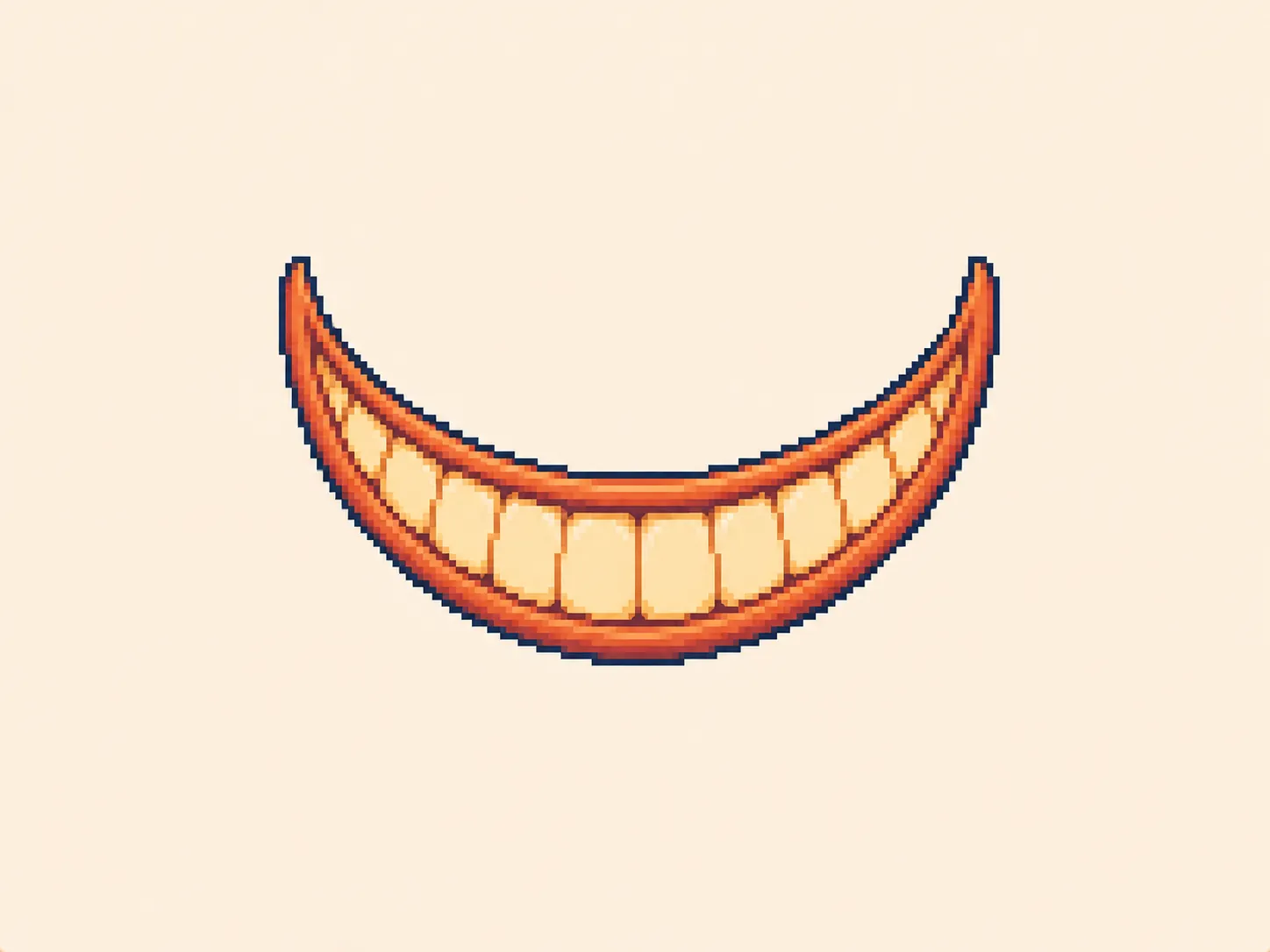
ひ (hi)
ひ is a single curved stroke, a wide friendly arc like a grin, or a crescent moon smiling down. Think of someone waving and calling out "hi!"
Sound: "h" plus the "ee" from い, regular, though the "h" is made with the tongue raised toward the roof of the mouth, like the "h" in "huge."
ふ (fu)

ふ (fu)
ふ has several curved strokes stacked, almost exactly the silhouette of a mountain with multiple humps. This mnemonic writes itself: ふ looks like Mount Fuji (Fujisan), and the sound starts the mountain's own name.
Sound: this is the irregular one. It's not the English "f" (teeth touching bottom lip) and not quite "h" either. It's made by bringing both lips close together and pushing air through, closer to blowing out a candle softly than to biting your lip. Listen to the audio and try to match the airy quality rather than substituting a hard English "f."
へ (he)
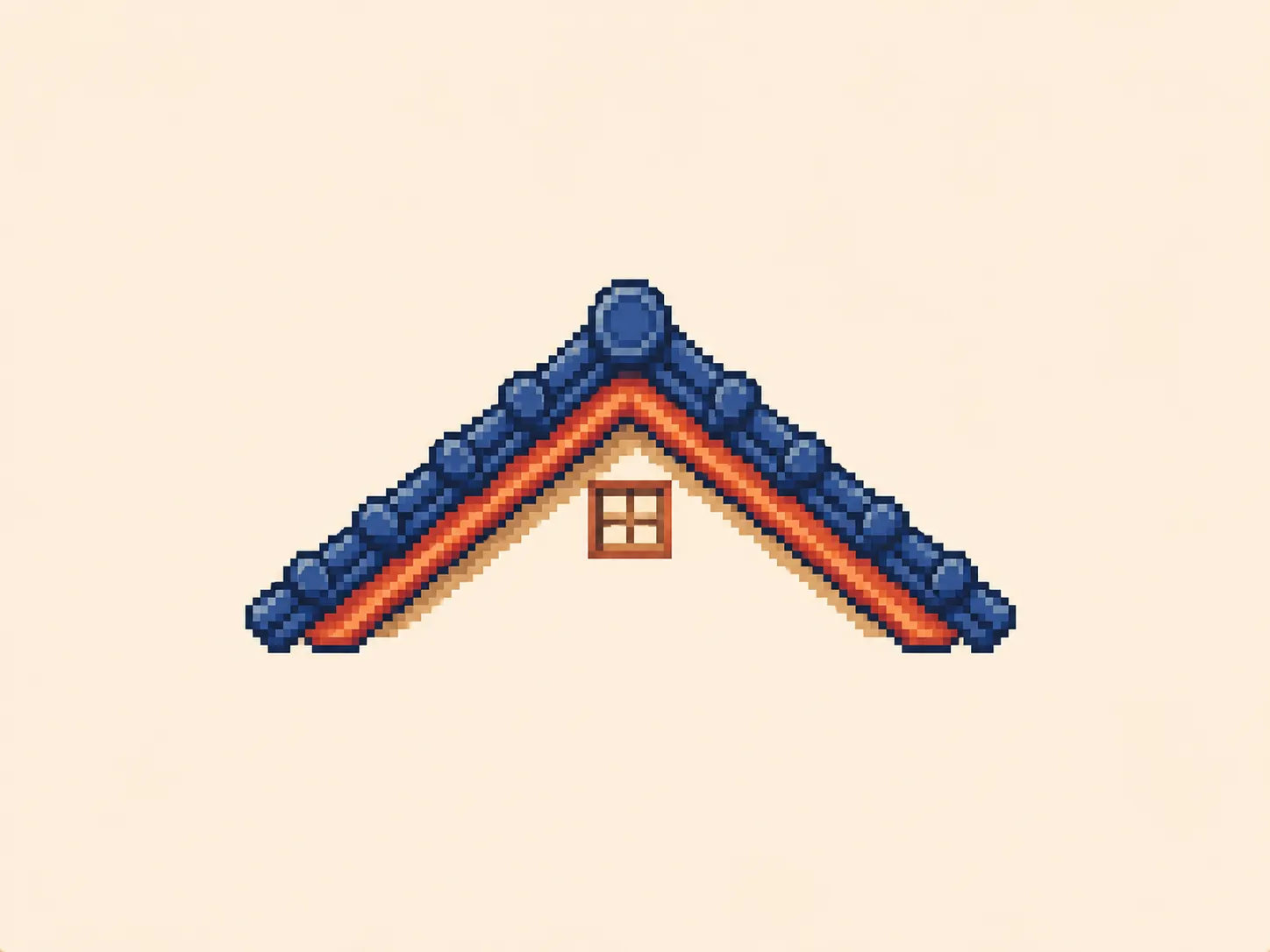
へ (he)
へ is the simplest character in the entire hiragana set, a single angled line like the peaked roof of a tiny house. It's nearly identical to the English circumflex accent mark (^), just wider. "He" lives in the little house under that roof.
Sound: "h" plus the "eh" from え, regular. Because it's so visually distinct from everything else, へ is rarely confused with anything.
ほ (ho)
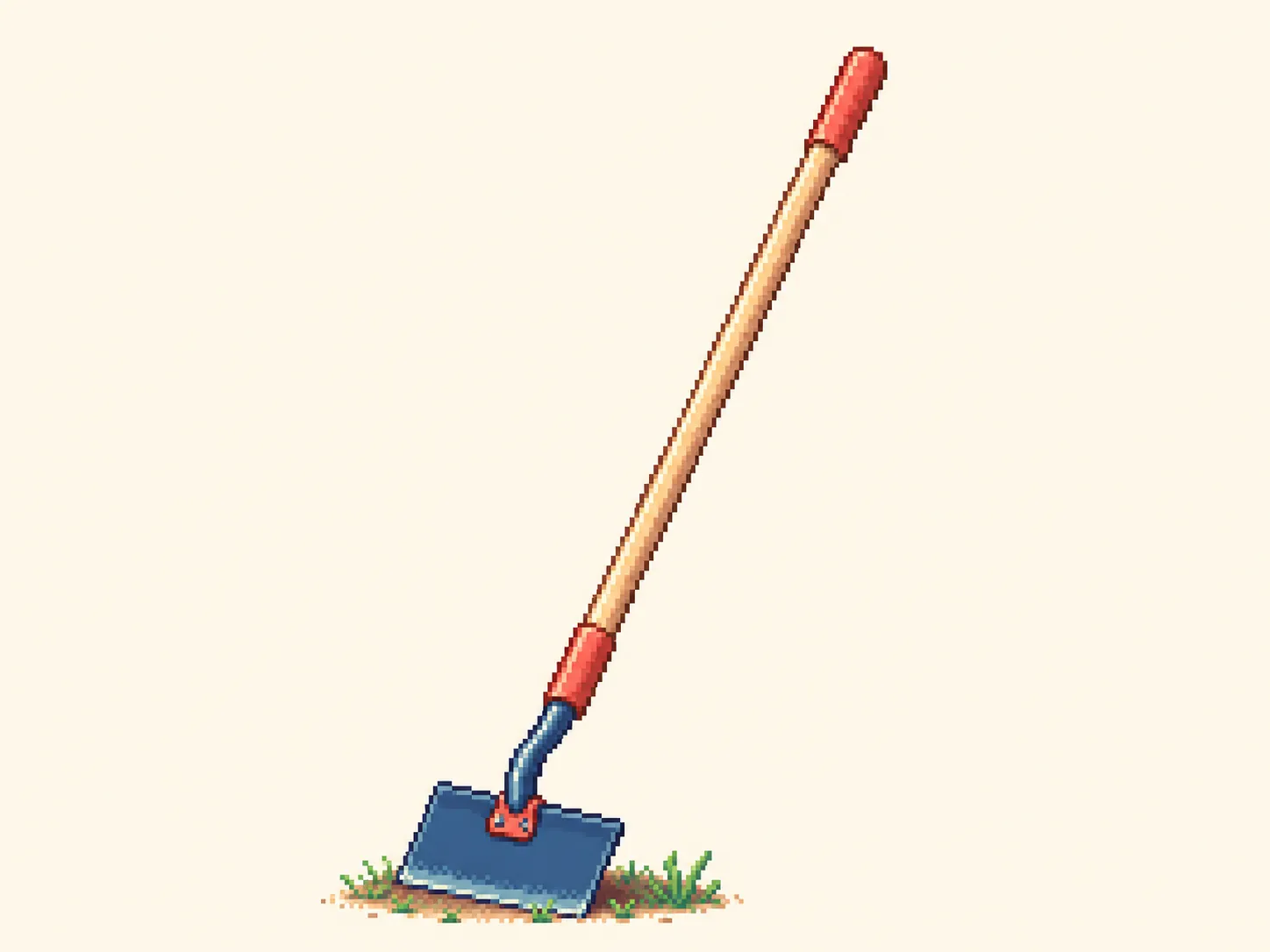
ほ (ho)
ほ is one of the busier characters in the H-row, a vertical shaft crossed by two horizontal bars with a curved blade at the bottom, like a garden hoe. "Ho" as in "hoe."
Sound: "h" plus "oh" from お, regular.
The pairs to watch
は and ほ get confused by total beginners because both have multiple crossing strokes on a central shaft. The difference: ほ has one extra horizontal stroke that は doesn't, making ほ noticeably busier and more complex. If you're ever unsure which one you're looking at, count the horizontal bars, は has one, ほ has two.
The more important thing to lock in this time isn't a stroke comparison, it's committing to the actual sound of ふ rather than a mental shortcut. A lot of learners quietly substitute an English "f" or "h" here and never correct it, which shows up later in mispronounced words like ふとん (futon) or ふゆ (winter).
Reading real words
| Word | Reading | Meaning |
|---|---|---|
| はな | hana | flower, or nose |
| ひと | hito | person |
| ふゆ | fuyu | winter |
| へた | heta | unskilled, bad at something |
| ほし | hoshi | star |
| あさひ | asahi | morning sun |
| はし | hashi | bridge, or chopsticks |
| ふね | fune | boat |
はな being either "flower" or "nose" depending on context is a good early reminder that hiragana alone doesn't disambiguate meaning the way kanji eventually will, context does the work.
Practice before moving on
Before the M-row, confirm you can:
- Write all five H-row characters from memory, in order
- Tell は and ほ apart by counting horizontal strokes
- Produce ふ's actual sound rather than an English f or h substitute
- Read all eight practice words above at a normal pace
Where to go from here
To practise writing the H-row, the hiragana H-row stroke order page animates every character stroke by stroke and lets you trace each one, with a check on the order and direction of every stroke.
The M-row is fully regular and includes め, the character you were told to come back and compare against ぬ from the N-row. For the complete study sequence, see Getting Started with Hiragana, and use Hirakata's audio playback in Study mode to keep checking ふ against your own pronunciation.