After the short three-character Y-row, the R-row is back to a full five characters, fully regular in pronunciation, no exceptions like し, ち, つ, or ふ, but it has a different kind of difficulty: the five characters share more visual DNA with each other than any other row, and several of them also resemble characters from completely different rows. This is the row where careful, side-by-side comparison earns its keep more than clever individual mnemonics.
There's also a pronunciation note worth settling early. The Japanese "r" isn't the English "r" (tongue pulled back, no contact) and it isn't the English "l" either (tongue pressed to the roof of the mouth). It's a quick flap of the tongue tip against the ridge behind your top teeth, closer to the single tap "r" in Spanish "pero" or the "tt" in the American pronunciation of "butter." Listen to the audio below for each character and aim for that flap rather than either English sound.
ら (ra)
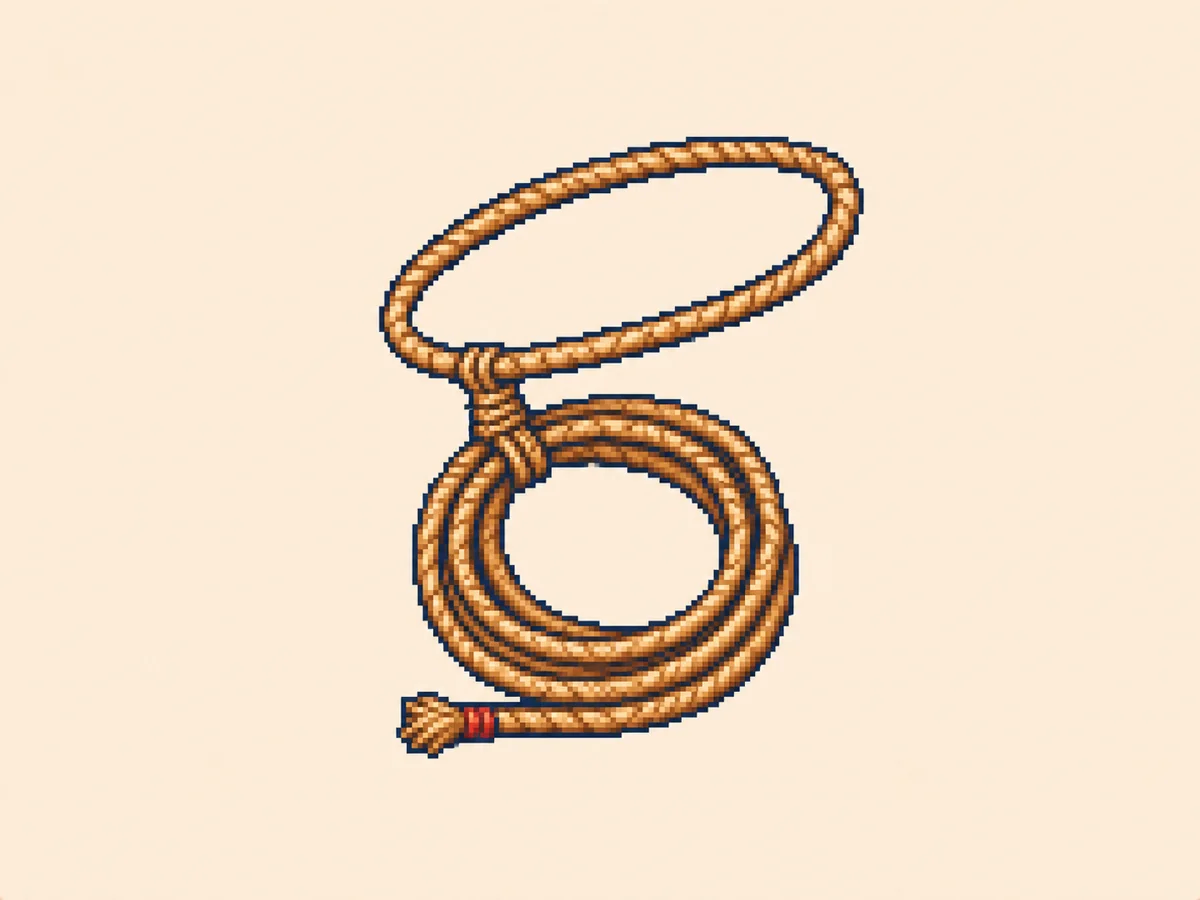
ら (ra)
ら has a short stroke and a large open loop, like a lasso coiled and ready to be thrown. "Ra" as the rope leaves the hand.
Sound: the Japanese flapped "r" plus the "ah" from あ.
り (ri)
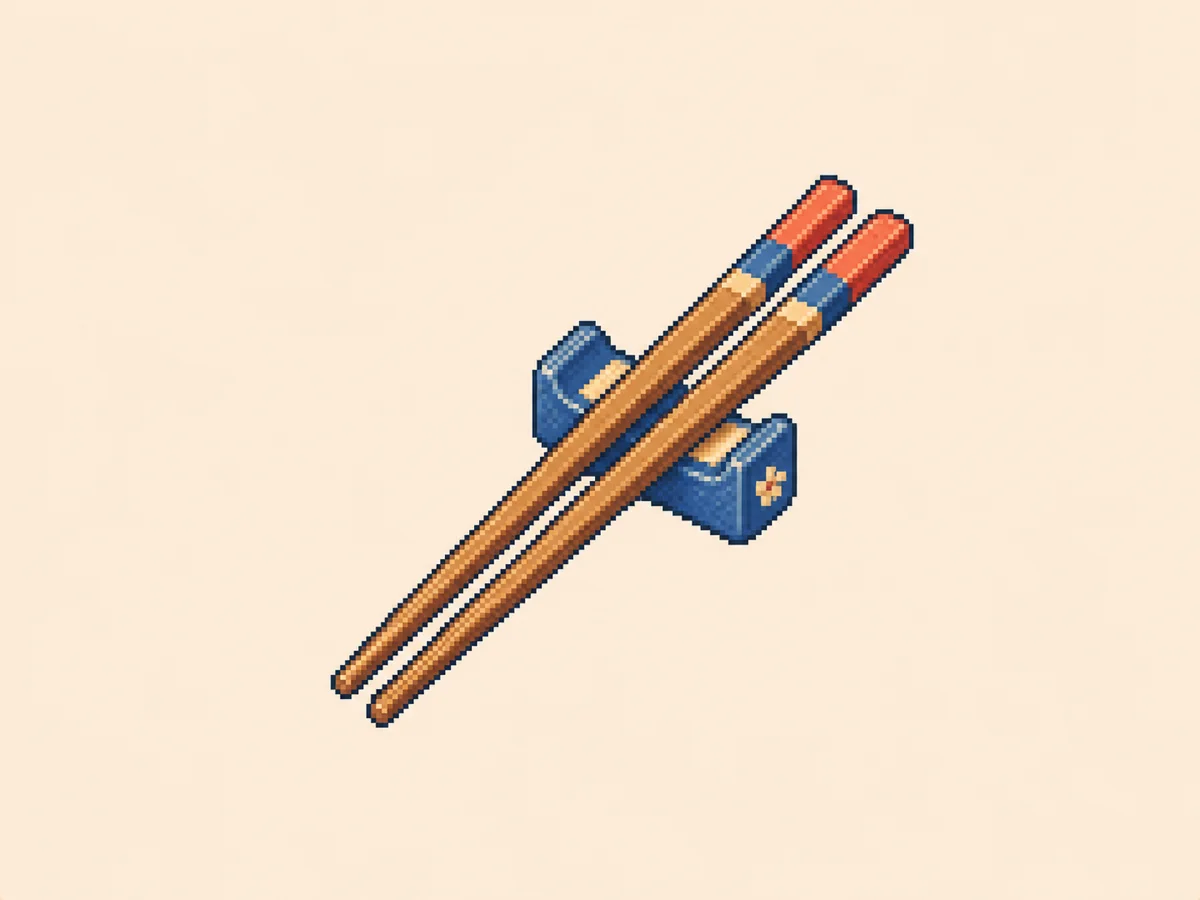
り (ri)
り is two simple strokes, one shorter and one taller, leaning near each other like a pair of chopsticks propped in a rest. It's one of the visually simplest characters in the row, which makes it a useful anchor point when the others start blurring together.
Sound: the flapped "r" plus the "ee" from い.
る (ru)
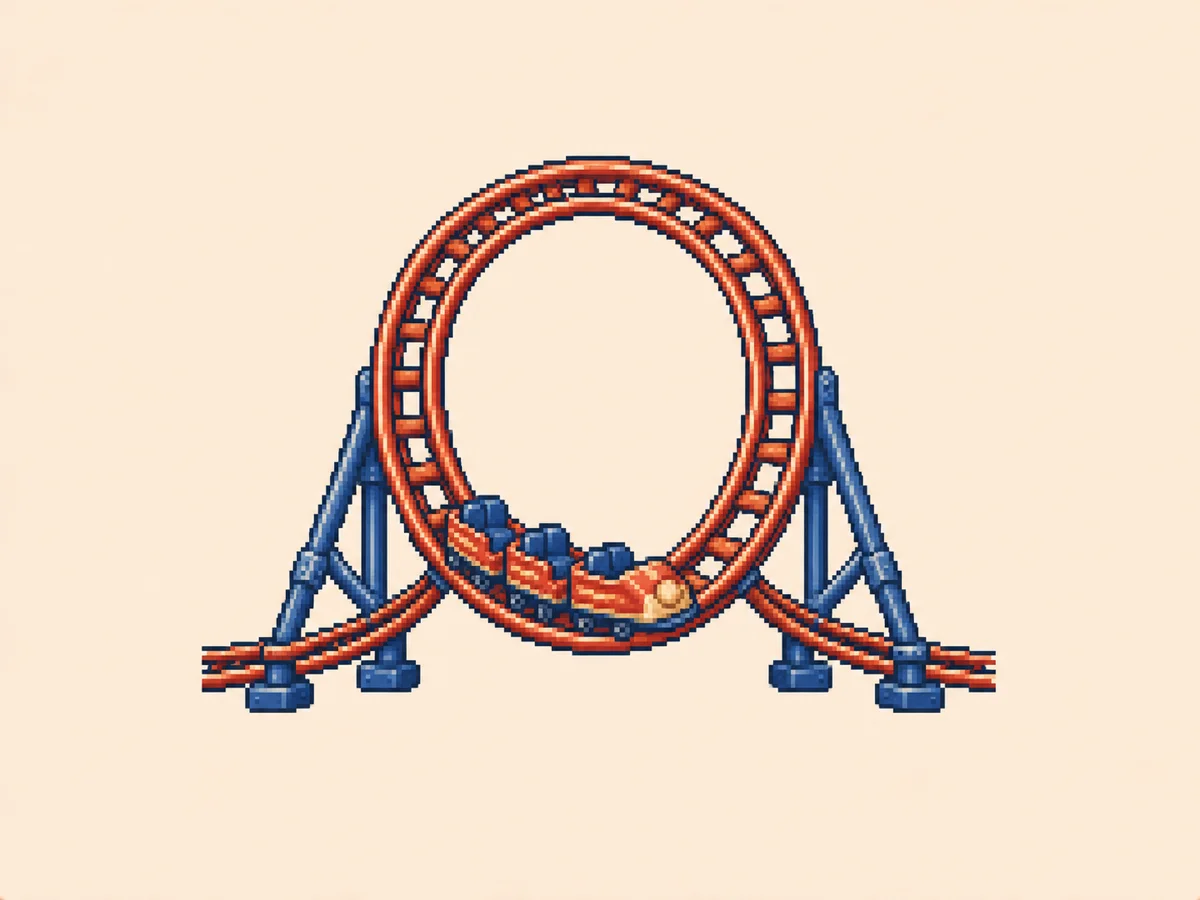
る (ru)
る is a curved stroke that closes into a small loop at the end, like a roller coaster track curling through a full loop before continuing. "Ru" as the cars rush through the loop.
Sound: the flapped "r" plus the short "oo" from う.
れ (re)

れ (re)
れ has a vertical stroke with a curved kick to the right, like someone leaning back in a recliner, feet up. "Re" as in "recliner."
Sound: the flapped "r" plus the "eh" from え.
ろ (ro)

ろ (ro)
ろ is a boxy, mostly closed shape with one open side, like a robot's square head seen from the side, an access hatch left open. "Ro" as in "robot."
Sound: the flapped "r" plus "oh" from お.
The pairs to watch
る and ろ are the R-row's internal confusion pair, both boxy with a loop or gap. る's loop closes fully at the bottom; ろ stays open on the side, more angular overall. Compare them stacked, not side by side, the closed-versus-open distinction reads more clearly that way.
Outside the row, れ is part of a three-way tangle with な (from the N-row) and わ (from the final W-row). All three share a similar left-hand vertical-plus-hook structure. For now, the reliable tell for れ specifically: its right-side stroke kicks out and curves down further than な's tighter curl. Once you've studied わ, come back and run all three side by side, that's where this comparison really pays off.
Reading real words
| Word | Reading | Meaning |
|---|---|---|
| さくら | sakura | cherry blossom |
| とり | tori | bird |
| くるま | kuruma | car |
| これ | kore | this (thing) |
| ろく | roku | six |
| はれ | hare | clear weather, sunny |
| みらい | mirai | future |
| しろ | shiro | white, or castle |
さくら is a good milestone word, cherry blossoms are one of the most iconic images associated with Japan, and by this point in the series you can read the word entirely from characters you've built up row by row.
Practice before moving on
Before the final characters, confirm you can:
- Write all five R-row characters from memory, in order
- Tell る and ろ apart, closed loop versus open side
- Produce the flapped Japanese "r" rather than an English r or l
- Read all eight practice words above at a normal pace
Where to go from here
The final three characters, わ, を, and ん, close out the full 46-character set and include ん, the only hiragana character that isn't built from a consonant-plus-vowel pattern at all. For the complete study sequence, see Getting Started with Hiragana, and drill the R-row in Hirakata's Study mode — once you've learned わ, return to this article's れ/な/わ note and compare all three from memory.