After し in the S-row and ち, つ in the T-row, the N-row is a genuine break. All five characters follow the pattern exactly: "n" plus each of the five vowel sounds, no exceptions, no surprises. This is the row where you get to consolidate rather than learn a new rule.
That doesn't mean the shapes are trivial though. ぬ and め (a character from the upcoming M-row) are one of the single most commonly confused pairs in all of hiragana, and ね has a loop that beginners often draw backward. Regular pronunciation, irregular strokes.
な (na)
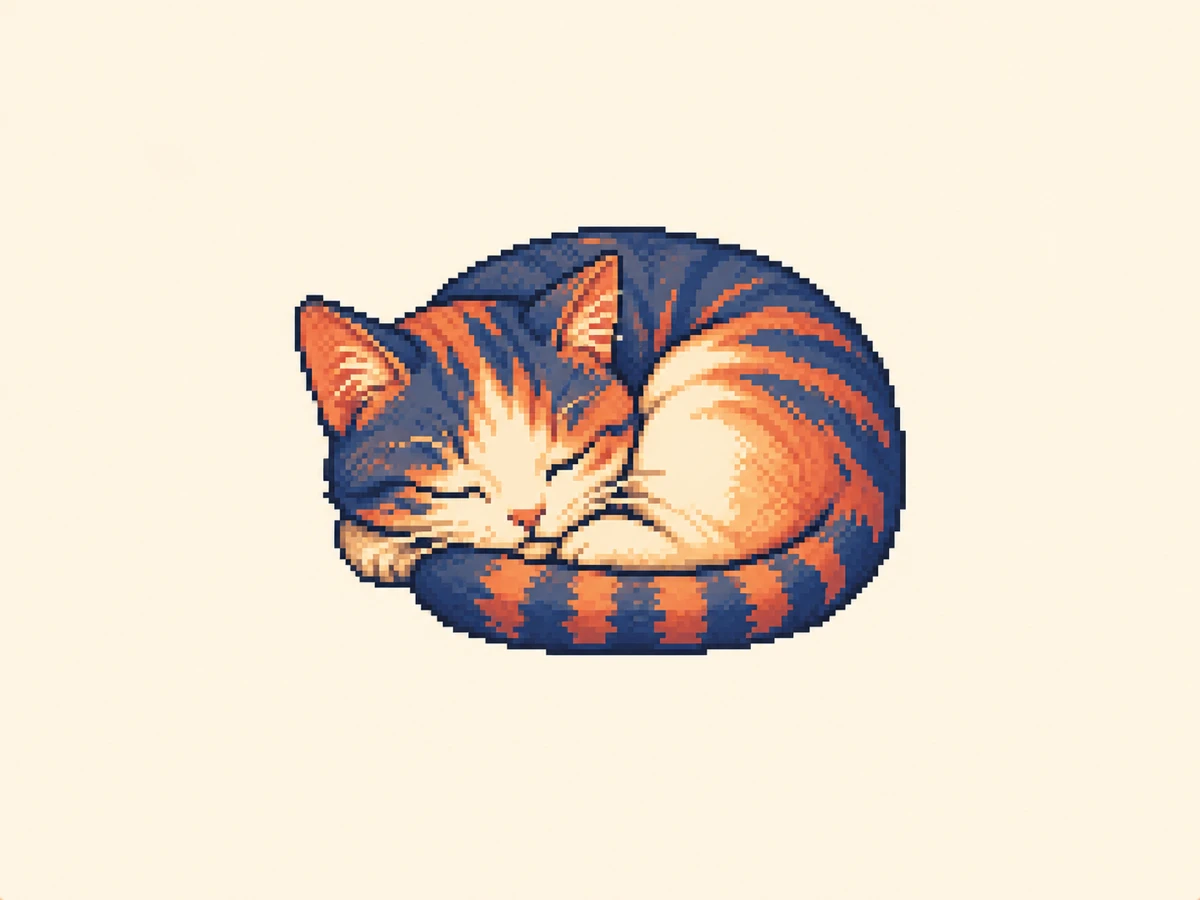
な (na)
な has a cross stroke and a curling hook, like a cat curled into a ball, tail wrapped around itself, fast asleep. "Na" as in "nap."
Sound: "n" plus the "ah" from あ, fully regular.
に (ni)
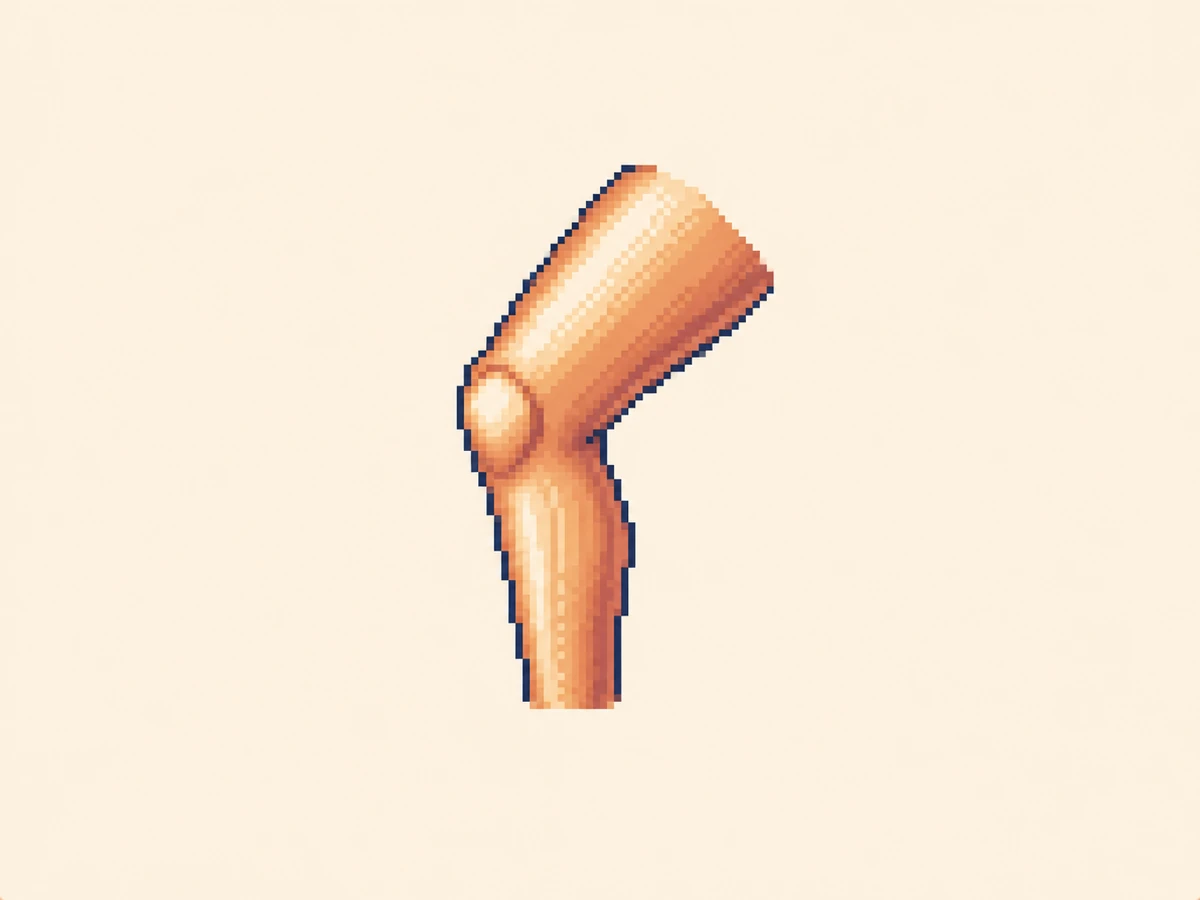
に (ni)
に has two vertical-ish strokes plus a small connecting hook, like a bent knee: thigh, shin, and the kneecap where they meet. "Ni" as in "knee."
Sound: "n" plus the "ee" from い, regular.
ぬ (nu)
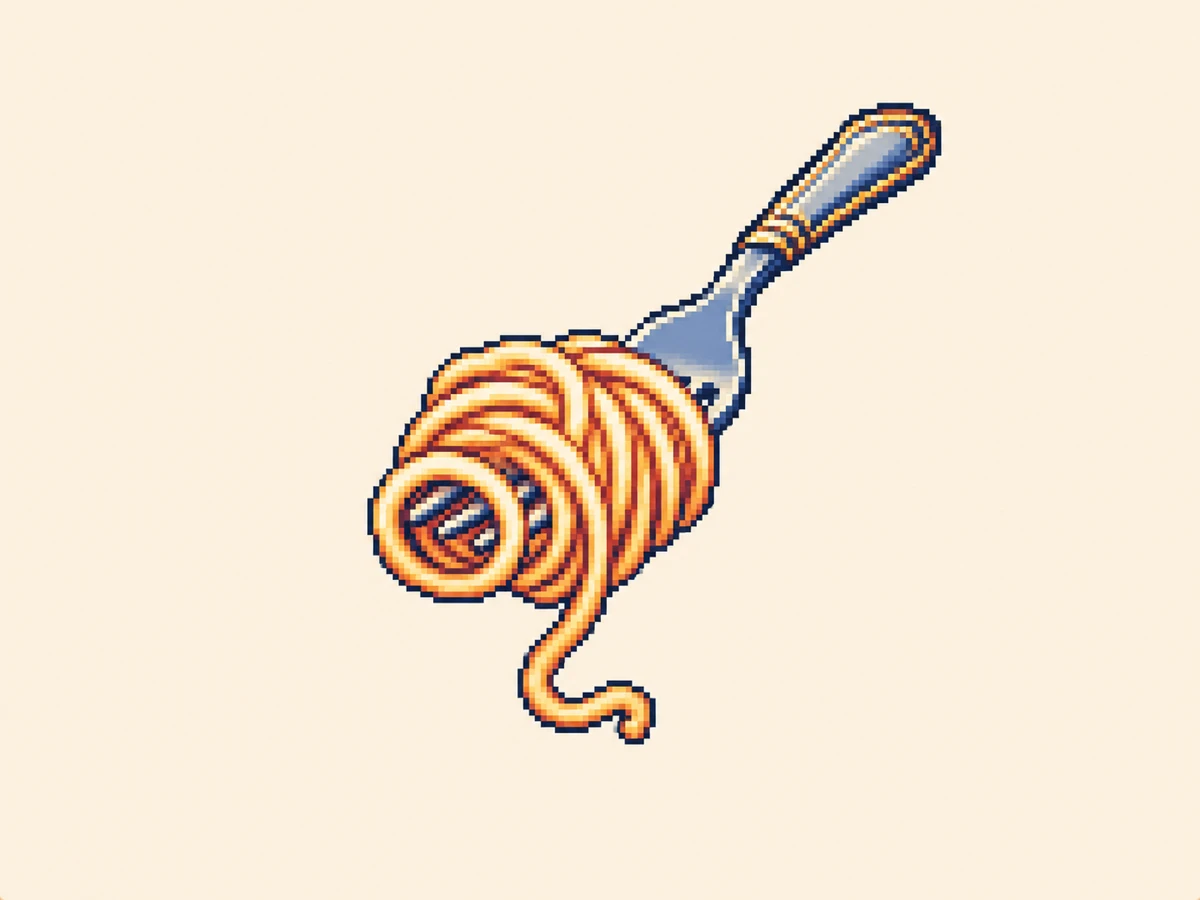
ぬ (nu)
ぬ is a curved stroke with a loop that closes at the end, like noodles wound tightly around a fork, one strand trailing loose. "Nu" as in "noodle."
Sound: "n" plus the short "oo" from う, regular.
The closed loop at the end is the detail to lock in now, because it's exactly what separates ぬ from め later on.
ね (ne)
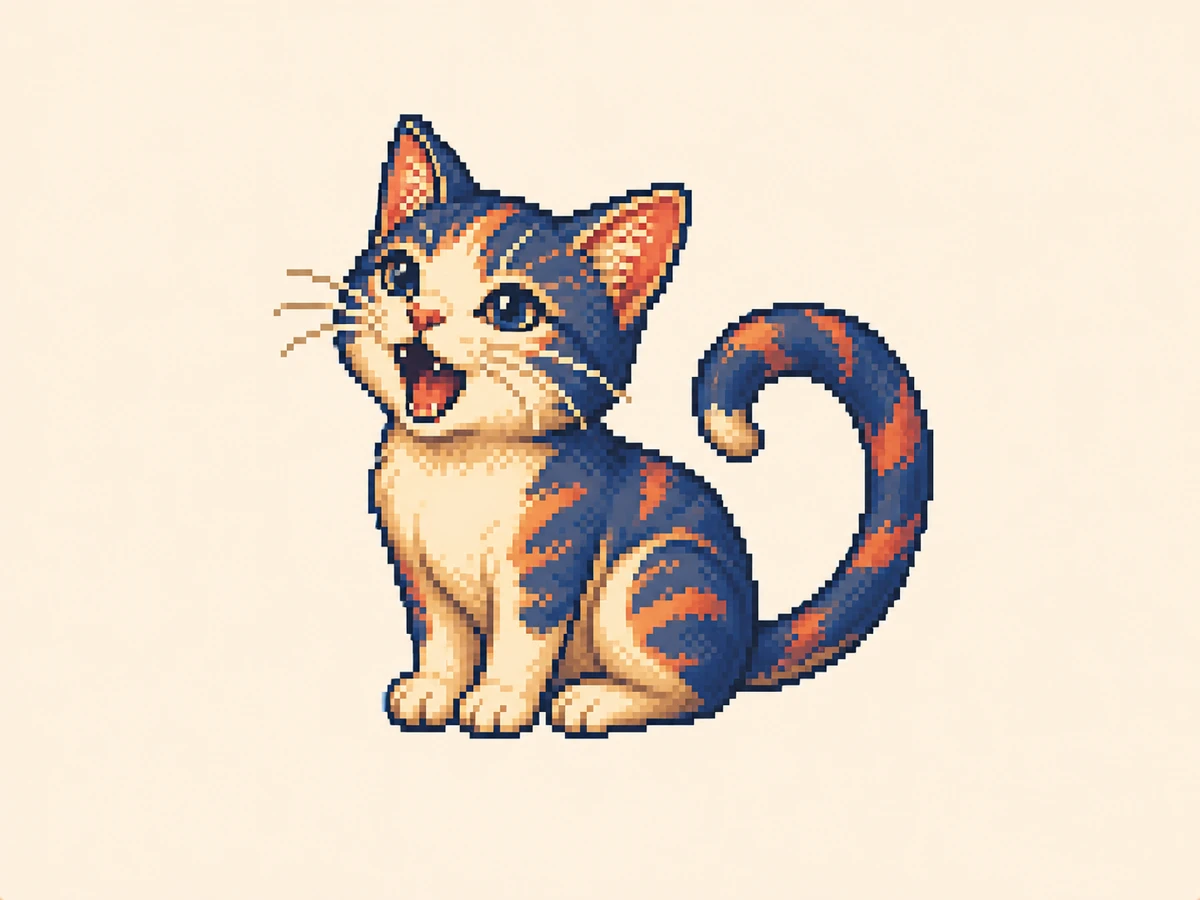
ね (ne)
ね has a curved stroke ending in a small loop, like a cat's tail curling into a circle as it meows. Japanese cats famously say "nyan," and ね is the character that starts ねこ (neko), the word for cat itself.
Sound: "n" plus the "eh" from え, regular.
の (no)
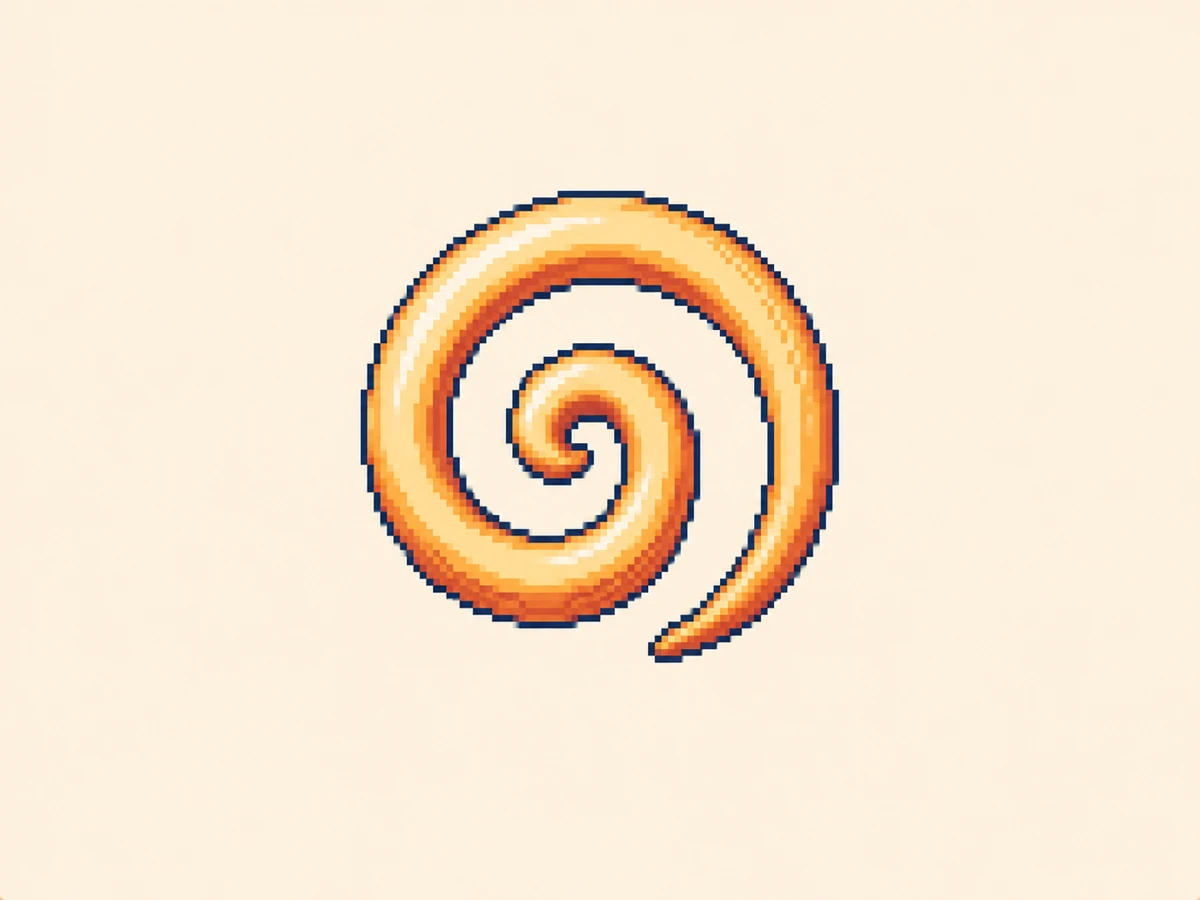
の (no)
の is a single continuous spiral, clean and simple, like a "no" sign drawn in one unbroken swirl. It's one of the most recognizable and easiest-to-remember characters in the whole set. "No" as in the word itself.
Sound: "n" plus "oh" from お, regular.
The pair to watch (and it's a big one)
ぬ and め aren't in the same row, め belongs to the M-row you'll hit next, but this is the single most commonly confused pair across all of basic hiragana, so it's worth flagging the moment you learn the first half of it. Both characters have a loop attached to a curved stroke. The difference: ぬ's loop closes completely into a circle, while め's loop stays open, more like a tail that doesn't quite connect. When you get to め, come back and compare the two directly. Don't just take my word for the difference, look at them stacked on top of each other.
Within the N-row itself, な and ね are the internal pair to watch, since both have a hook-like curl. な's curl sits lower and tighter to the cross stroke; ね's loop is larger and more separated, floating off to the side like the tail it represents.
Reading real words
| Word | Reading | Meaning |
|---|---|---|
| ねこ | neko | cat |
| いぬ | inu | dog |
| なに | nani | what |
| あに | ani | older brother |
| きのう | kinou | yesterday |
| くに | kuni | country |
| あなた | anata | you |
| ねつ | netsu | fever |
ねこ and いぬ, cat and dog, are two of the first words most learners actually want to read, and now both are fully within reach using characters you've studied so far.
Practice before moving on
Before the H-row, confirm you can:
- Write all five N-row characters from memory, in order
- Tell な and ね apart in a mixed group
- Remember that ぬ's loop closes completely, ready to compare against め later
- Read all eight practice words above at a normal pace
Where to go from here
To practise writing the N-row, the hiragana N-row stroke order page animates every character stroke by stroke and lets you trace each one, with a check on the order and direction of every stroke.
The H-row introduces ふ, a sound that doesn't map cleanly onto English "f" or "h," so treat it the way you treated し and つ: check the audio, don't assume. For the full study sequence, see Getting Started with Hiragana, and drill the N-row itself in Hirakata's Study mode — then once you reach め in the M-row, come back and compare the two from memory.