Disclosure: This article contains affiliate links. We may earn a small commission from purchases made through these links, at no additional cost to you.
I spent an embarrassing amount of money in my first few months of learning Japanese on things that felt productive but weren't — fancy brush pens I never learned to use, a kanji dictionary I opened twice, a study planner that I filled out for one week and abandoned. The stuff that actually moved me forward cost almost nothing. These five items are what I'd tell someone to buy on day one.
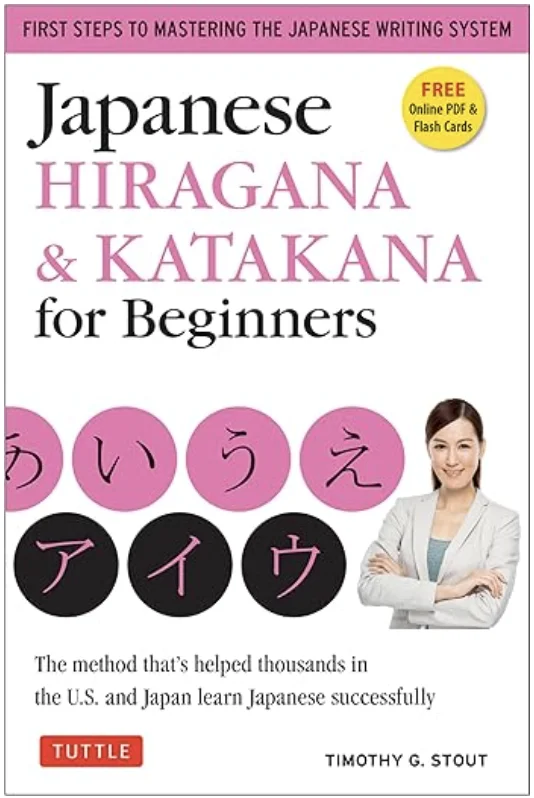
1. Japanese Hiragana & Katakana for Beginners
Price: $9.50
I was skeptical of any book that promised to make learning the kana "easy" — that framing usually means the content is watered down. This one surprised me. The picture-based mnemonic method it uses is genuinely clever: each character's shape is linked to a familiar image and an English word that matches the sound. か looks like a kite. So — ka. It sounds silly until you realize you've locked in the character in about thirty seconds instead of thirty repetitions.
It covers all 92 hiragana and katakana characters, includes exercises, and throws in word searches and fill-in-the-blanks that feel less like busywork than they look. For $9.50 it's the best single investment I made in the early months.
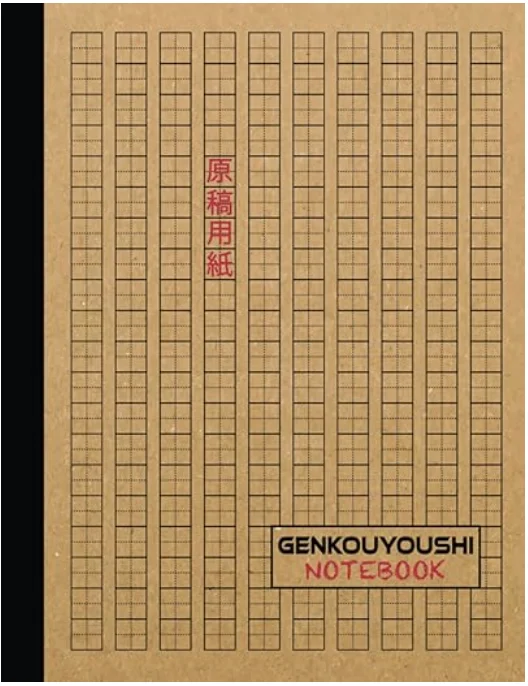
2. Genkouyoushi Notebook
Price: $7.99
I've tried three kinds of notebooks for character practice and the only one I keep coming back to is a proper Genkouyoushi notebook. Plain grid paper is too open — your characters sprawl. Lined paper is worse. The Genkouyoushi format, with each square divided into quadrants, forces you to think about where each stroke lands inside the box. That constraint matters more than I expected.
This one is 8.5 x 11 with 120 pages, which is plenty of room. It also has hiragana and katakana reference pages printed inside, so you're not constantly hunting for a chart. I keep mine next to my keyboard and use it when I'm trying to lock in a character that isn't sticking with digital practice alone.
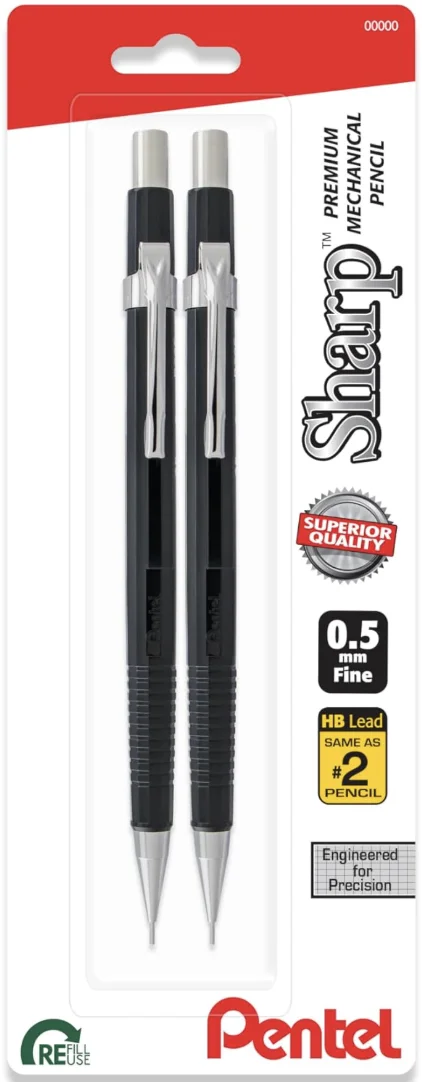
3. Pentel Sharp Mechanical Pencil (0.5mm), Pack of 2
Price: $13.90
Japanese characters have a lot going on in a small space — stroke order, proportions, the difference between similar-looking pairs like ぬ and め. A thick or inconsistent line makes that harder to see. I switched to a 0.5mm mechanical pencil early on and immediately noticed I was paying more attention to what I was actually drawing.
The Pentel Sharp is the one I reach for. The grip is comfortable for long sessions, the lead doesn't snap under normal pressure, and you get two of them for under $14. Not exciting, but it works every time.
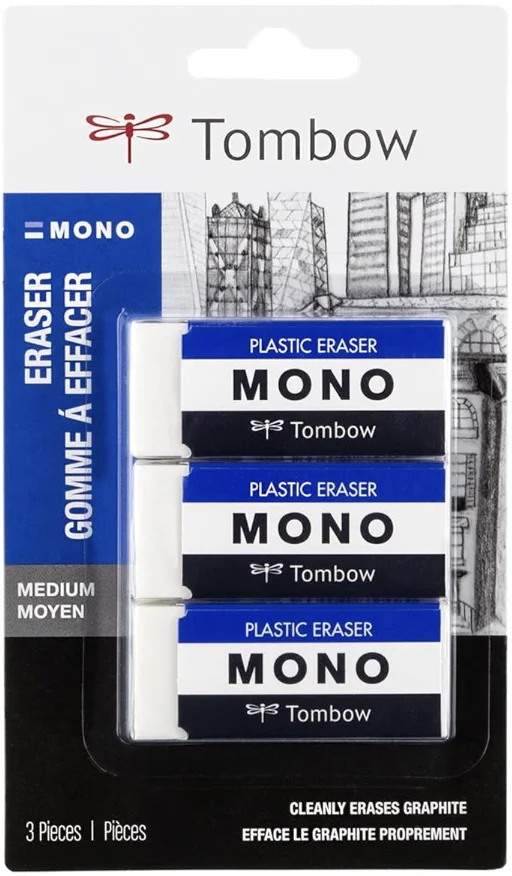
4. Tombow MONO Eraser, 3-Pack
Price: $4.79
The eraser that came with my mechanical pencil left gray smears and occasionally tore the paper. The Tombow MONO is a completely different experience — it lifts pencil marks cleanly with almost no pressure and leaves the paper intact. It sounds like a minor thing until you're erasing a character you've written in a small Genkouyoushi box and you need it to come off without wrecking the surrounding squares.
Three in a pack for $4.79. One of the few items on this list that genuinely exceeded what I expected from it.
5. Post-it Super Sticky Notes, 8 Pads
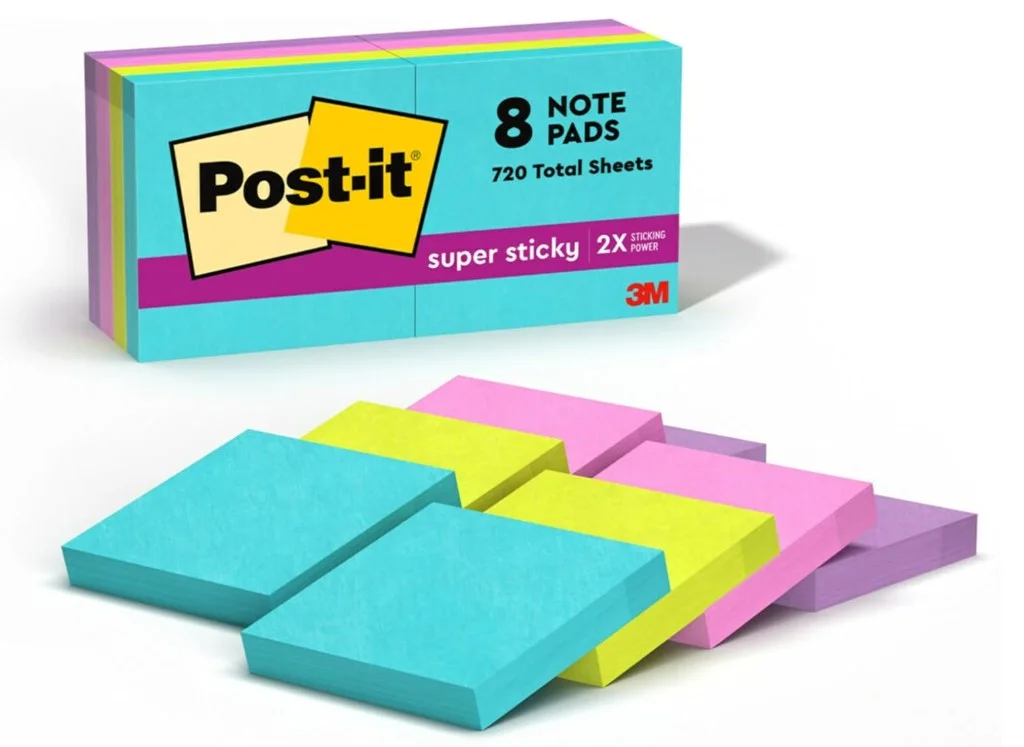
Price: $10.49
This one I was dismissive about at first. Labeling objects around your house with sticky notes felt like a beginner gimmick. Then I did it anyway and it actually worked. I stuck notes on the things I interact with every morning — coffee maker (コーヒー), door (ドア), window (まど), desk (つくえ) — and within a week those characters stopped requiring any mental effort. Passive exposure is real.
The Super Sticky version matters here. Regular Post-its fall off vertical surfaces after a day or two, especially in a warm room. These stay put. 8 pads with 90 sheets each is more than enough to label your whole apartment and still have plenty left for quick flashcard sessions.
How they fit together
The book gives you the mnemonics to learn each character. The Genkouyoushi notebook and pencil lock them into muscle memory through writing. The eraser makes practice feel low-stakes — you can write sloppily, correct it, write it again. The sticky notes turn your daily environment into passive review.
None of this replaces time with Hirakata's interactive flashcards — the immediate feedback from digital practice is hard to replicate on paper. But the combination of physical writing and digital drilling worked better for me than either alone. Start simple, and add tools only when you have a specific problem they solve.
More on how to actually use all of this: